

MTD compliant software must help you keep digital records, prepare quarterly updates and submit information directly to HMRC through the Making Tax Digital service. It should also appear on HMRC's recognised software list for MTD for Income Tax. Coconut is HMRC-recognised software that lets you maintain digital records, submit quarterly updates and complete your year-end tax return.
MTD Compliant Software: how Coconut handles it

HMRC-recognised
Built for sole traders, landlords & CIS
Bank-level security
14-day free trial
No card details needed
If you're a sole trader, landlord or CIS subcontractor wondering whether your current setup is actually covered, you're in the right place.
Coconut is HMRC-recognised MTD compliant software built for exactly your situation. It helps you keep digital records, send quarterly updates to HMRC, and finalise your year-end tax return, all from one app.
No full accounting package to learn. No messy spreadsheet process. Just a simpler way to stay ready for Making Tax Digital.
Start your 14-day free trial
 No card details required
- FCA authorised
- Bank level security
- HMRC recognised for MTD
See how Coconut handles MTD for your situation


Start your 14-day free trial
- No card details required
- FCA authorised
- Bank level security

HMRC-recognised for MTD for Income Tax
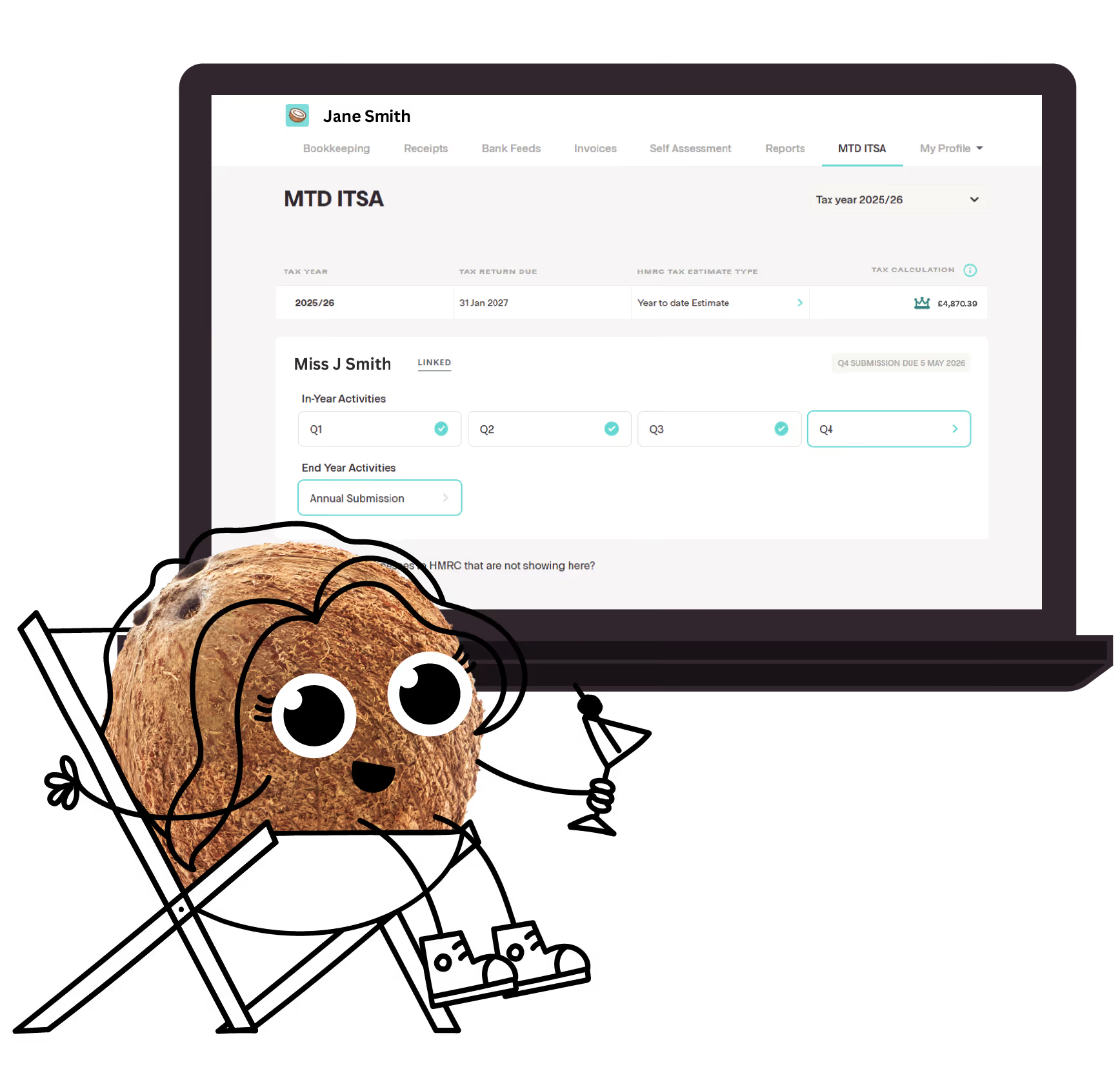
Coconut is fully MTD recognised software for MTD for Income Tax. Submit quarterly updates, complete your Making Tax Digital tax return digitally and have peace of mind that all submissions meet HMRC requirements.
Digital recordkeeping for MTD
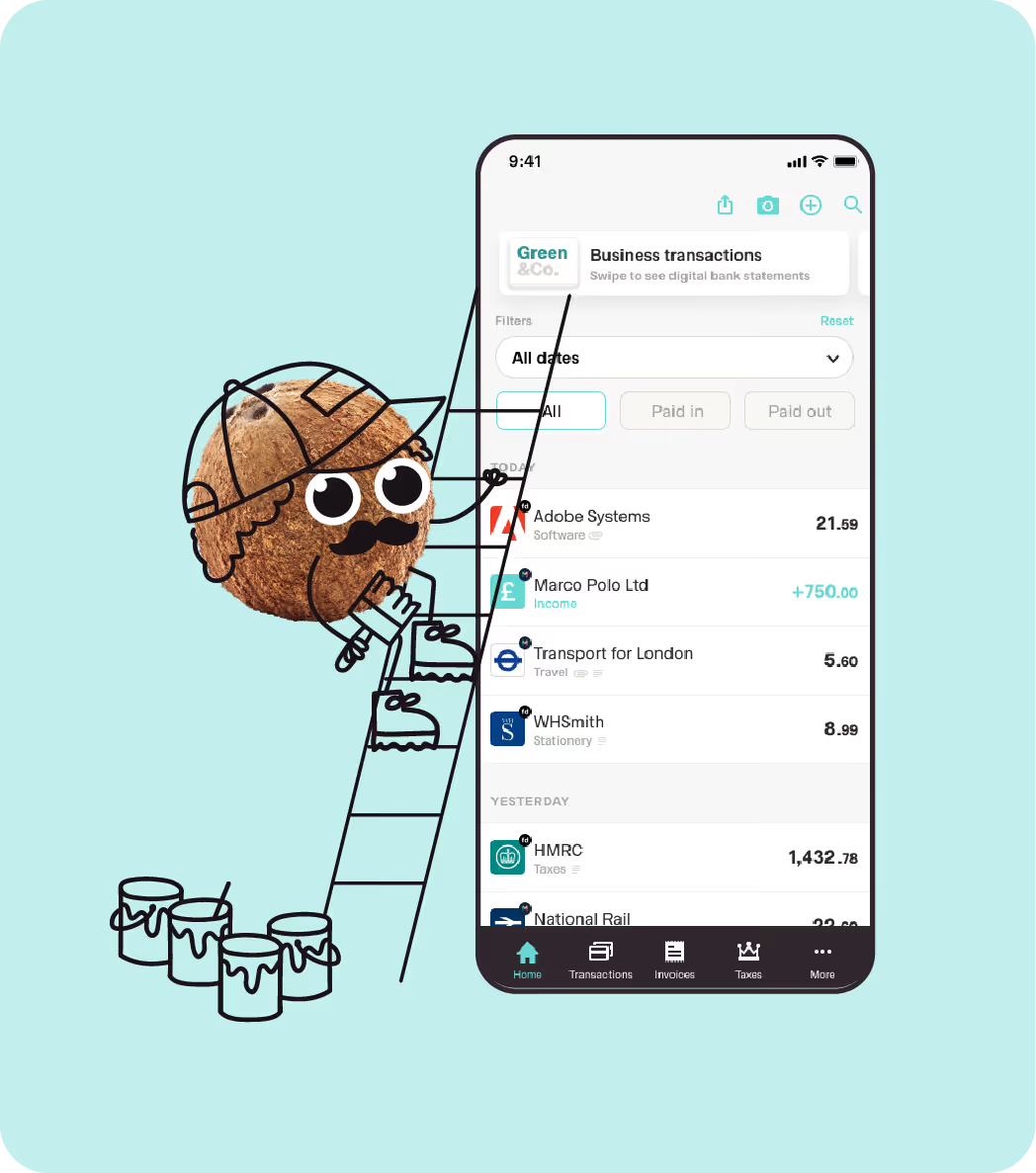
Keep all your business income, receipts and expense tracking digitally. Coconut ensures your records are organised and ready for quarterly submissions and your end of year MTD tax return.
Multiple income streams in one account
Whether you earn from freelancing, property, or multiple side businesses, Coconut brings all your income together in one place. This ensures your records stay complete and correctly organised for Making Tax Digital. You'll always have a clear view of your total income, ready for accurate quarterly submissions to HMRC.
Quarterly updates made simple
Send your income and expense totals to HMRC at least once a quarter. Coconut ensures your records are complete and formatted correctly, so quarterly submissions can be completed in just a few clicks and remain error-free. You'll receive real-time tax estimates every time you send an update.
Digital end of year MTD tax return
Finalise and submit your MTD tax return and pay any tax outstanding by the 31st January after the tax year end, but with Coconut's up-to-date tax estimates, you'll know what to expect, no last-minute shocks.
Access anywhere, on any device
Coconut is designed for sole traders and landlords who want full control over their finances. Use the mobile app for on the go tasks or access the web browser to manage your books and MTD for Income Tax anytime, anywhere.
Reports to stay in control
See your profit and loss, cashflow and transaction summaries all in one place to support day-to-day financial management. Coconut makes it easy to prepare for MTD submissions without the stress.
Secure and HMRC recognised
All your data is protected on a secure cloud platform with bank-level encryption. Coconut is HMRC-recognised software, giving you safe storage for all your documents and transactions in one place.
What does it actually mean to be MTD compliant?
"MTD compliant" means software can do the specific things HMRC requires for Making Tax Digital for Income Tax.
Compatible software must let you:

Keep digital records of income and expenses
Send quarterly updates to HMRC
Submit your year-end tax return
You can use full MTD software or bridging software, but it must be recognised for MTD for Income Tax and support the submissions you need.
Digital record keeping
MTD requires you to create and maintain digital records throughout the tax year, instead of entering paper records later.
Records can come from:
bank feeds
snapped receipts
invoices
income and expense transactions recorded in your software
Where software products work together, digital links should move figures without manual retyping. Keep the records for at least five years after the relevant 31 January deadline.
Quarterly updates to HMRC
Under MTD for Income Tax, you send four quarterly updates each year. These are summaries of your self-employment income, property income and expenses - not four separate tax returns.
Quarterly update
Period covered
Deadline
1st update
6 April – 5 July
7 August
2nd update
6 July – 5 October
7 November
3rd update
6 October – 5 January
7 February
4th update
6 January – 5 April
7 May
Each update is a snapshot, not a final Income Tax calculation. Coconut prepares it from the digital records already in your account and lets you submit it directly to HMRC.
The year-end MTD tax return vs Self Assessment
At the end of the tax year, you finalise your Income Tax position by the following 31 January. You add other income, check your figures, make final adjustments and file your tax return.
The deadline stays the same, but the work is spread through the year. Coconut keeps your quarterly records connected to the final tax return, reducing retyping.
Who needs MTD compliant software, and when?
MTD for Income Tax is being introduced in stages, based on your qualifying income from self-employment and property before expenses.
April
2026
Sole traders and landlords earning above £50,000 need to comply with Making Tax Digital for Income Tax.

April
2027
Sole traders and landlords earning above £30,000 need to comply with Making Tax Digital for Income Tax.
April
2028
Sole traders and landlords earning above £20,000 need to comply with Making Tax Digital for Income Tax.
Qualifying income means gross income, not profit. £52,000 before costs puts you in scope from April 2026.
MTD for Income Tax is separate from MTD for VAT. If you already use VAT software, check that it is also compatible software for Income Tax. Even if your start date is later, setting up digital records early can make the switch easier.

Sole traders over the threshold
If your qualifying self-employment income is over the relevant threshold, you will need compatible software to keep digital records, submit quarterly updates and complete your year-end tax return.
Coconut helps sole traders manage income, expenses, receipts, invoices and tax estimates without learning a full accounting system.
For the full detail, see our guide to MTD software for Sole Traders.
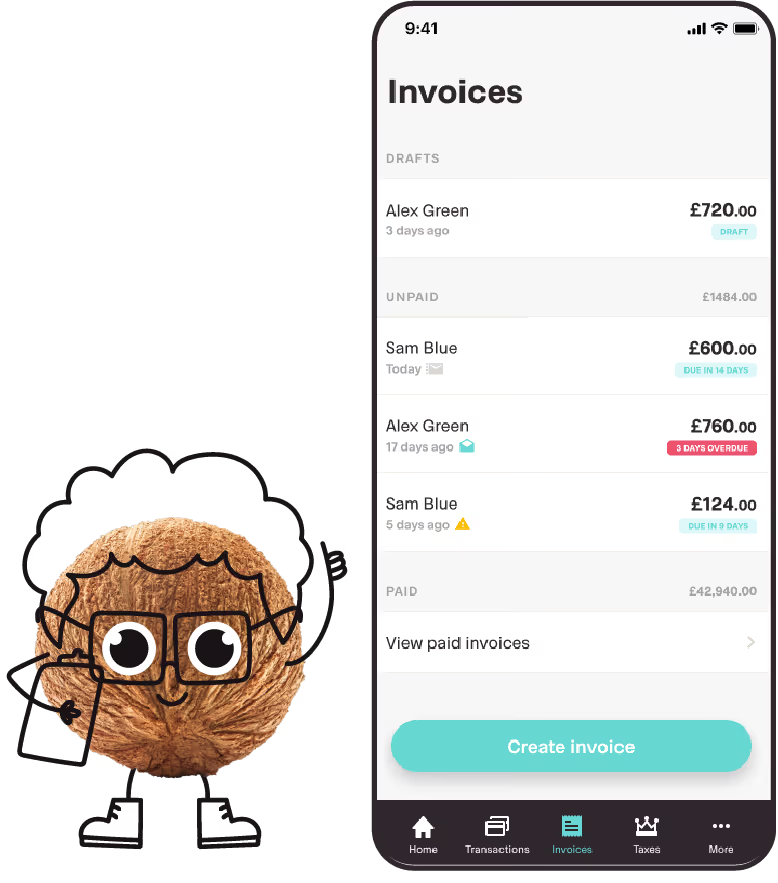
Landlords, including multiple properties
Property income counts towards the threshold and is combined with self-employment income.
UK rental properties are generally treated as one UK property business for MTD. Coconut still helps you organise records by property and track:
- rent and property expenses
- repairs, agent fees and mortgage interest records
- receipts, invoices and property documents
- totals across your portfolio
For more detail, see MTD for landlords.
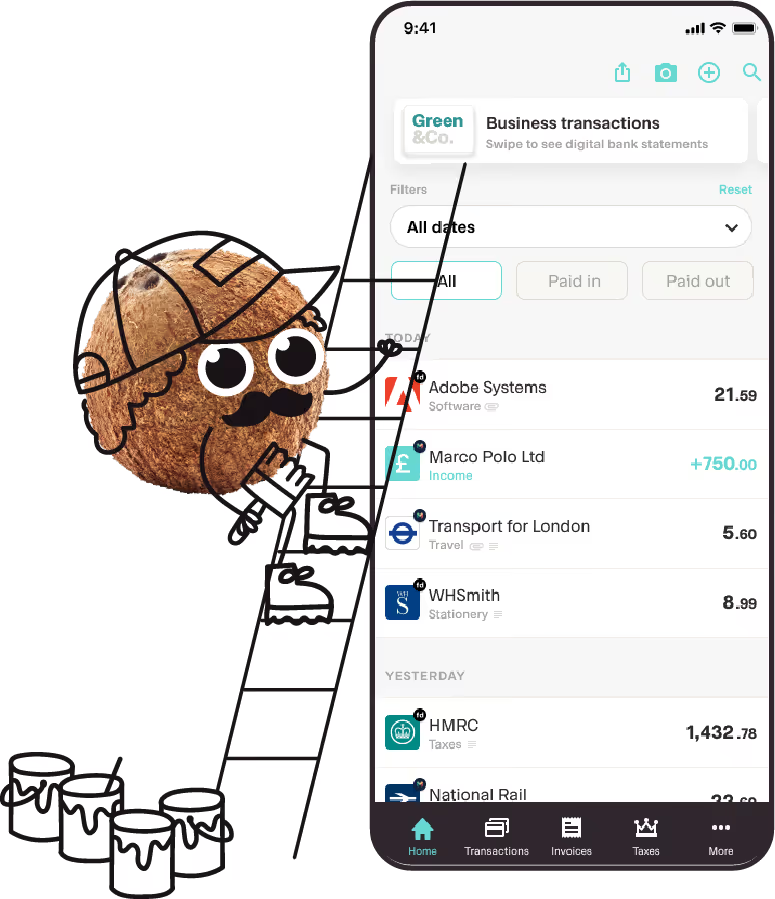
CIS subcontractors with mixed income
Making Tax Digital does not change how Construction Industry Scheme deductions work. It changes how you keep and submit the supporting records.
Your gross CIS income counts towards the MTD threshold before deductions. Coconut lets you keep CIS income, deductions, monthly statements, expenses, invoices and other income streams together in one account.
Those records feed into quarterly updates and the year-end tax return, even when CIS work sits alongside other income.
For the full detail, see our guide to MTD software for CIS subcontractors.
How Coconut meets each MTD compliance requirement
Coconut is HMRC-recognised MTD software that keeps digital records, handles quarterly updates and supports the year-end tax return without a full accounting package.
HMRC-recognised and directly connected
Coconut appears on HMRC's recognised software list and connects directly with the Making Tax Digital service. You can send updates securely in the required format without copying figures into an HMRC portal or using separate bridging software just to submit.
Digital records from bank feeds, receipts and invoices
Connect your bank through secure Open Banking and transactions flow into Coconut automatically. You can then categorise income and expenses, snap and attach receipts, raise and send invoices, import PayPal income, and manage self-employment and property income together.
This makes digital record keeping part of your normal routine, rather than a job to rebuild before each deadline.

Quarterly updates from the app
Review the figures already held in Coconut, then submit quarterly updates directly to HMRC from the app. There is no separate HMRC portal, spreadsheet-to-portal process or extra bridging software needed.
The same connected records also feed into your year-end tax return.

Real-time tax estimates
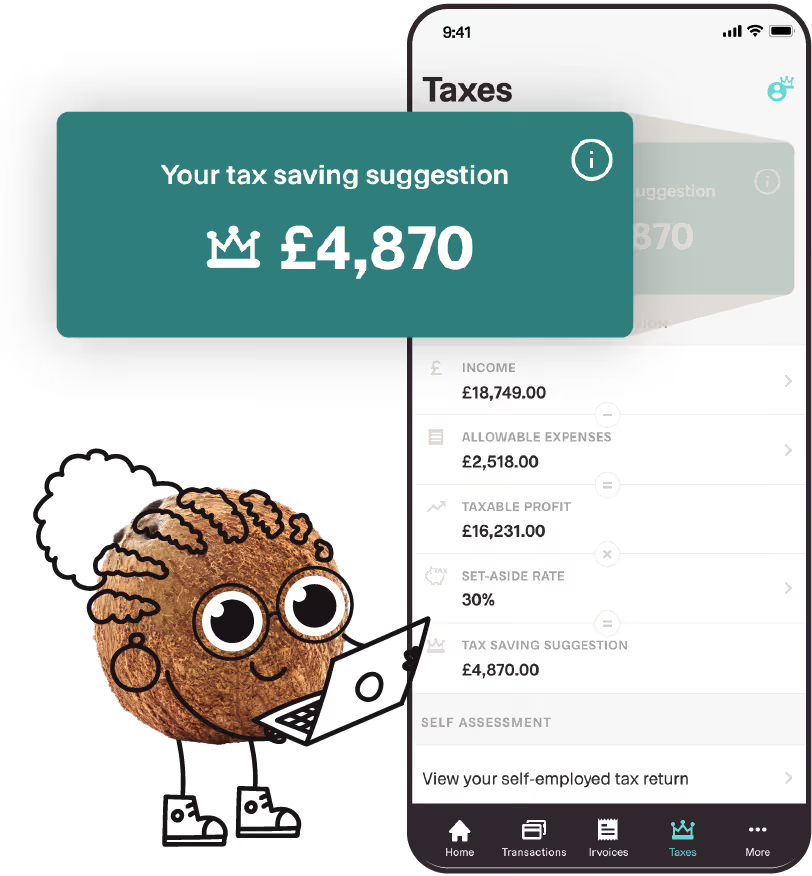
Coconut updates your estimated Income Tax and National Insurance as new income and expenses are recorded. This helps you plan ahead, put money aside and manage cash flow without doing manual tax calculations.

Multiple income streams in one account
Manage freelance work, property income, CIS records, invoices, expenses and deductions in one account. This is useful if you have several types of work, multiple properties or an accountant who needs access.
Keeping these records together reduces admin and keeps quarterly updates connected to the year-end tax return.
You can also work with your accountant in Coconut whenever you need extra support.

HMRC recognition comes first
The software must appear on HMRC's compatible software list for MTD for Income Tax. MTD for VAT is separate, so VAT software is not automatically suitable for Income Tax.
Check Coconut on the official HMRC software list.
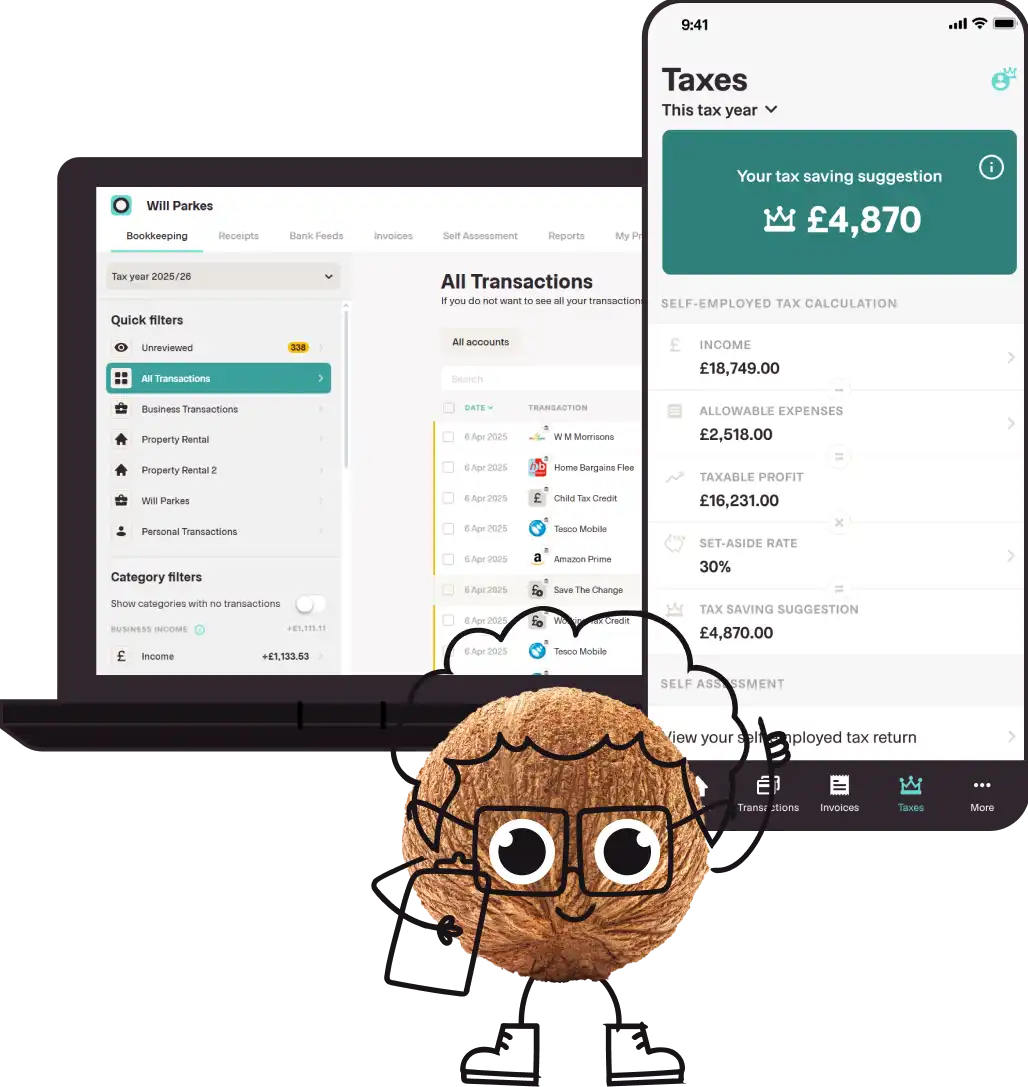
How records get into the software
Look for bank feeds, receipt capture, invoicing, transaction imports, simple categories and document storage to reduce manual entry.
Bridging software can connect an existing spreadsheet to HMRC. Purpose-built MTD software such as Coconut keeps the records, quarterly updates and year-end tax return together, which is usually simpler if you do not want to manage spreadsheets.
Support for your income sources
Check that the software covers the income you actually receive, including self-employment, UK property, multiple properties, CIS deductions and mixed income. Coconut is built for sole traders, landlords and CIS subcontractors, so these records can stay in one account.

Support if a submission is rejected
Good MTD software should show the HMRC error, explain it clearly and guide you through the fix. Coconut's MTD filing plan includes dedicated MTD support if you cannot resolve the issue yourself.
Accountant access if you need it
If you use an accountant, choose software that lets them work from the same digital records, reducing missing documents and back-and-forth.
With Coconut, you can work with your accountant in Coconut.

Frequently Asked Questions
Yes. Coconut supports landlords with multiple properties and property income streams in one account. You can track rental income and expenses, keep records organised by property, store receipts and documents, and see totals across your portfolio. When MTD applies, Coconut helps you prepare property submissions from the digital records you've already kept.
Each quarter, you send HMRC a summary of your income and expenses for that period. It's not a full tax return. Coconut software lets you prepare your quarterly update from the digital records in your account and send it directly to HMRC through the app. You can also see an updated tax estimate as your records change.
If HMRC rejects a submission, Coconut shows the error message and helps you understand what needs fixing. In many cases, you can correct the issue in the app and try again without contacting HMRC directly. If you're unsure what to do, Coconut's support team can help you work through the next step.
Not always. Coconut can handle day-to-day bookkeeping, digital record keeping, quarterly updates and your year-end tax return if your tax affairs are fairly straightforward. Some people still use an accountant for complex tax planning or extra reassurance. If you already work with one, you can invite your accountant into Coconut.
Coconut helps CIS subcontractors track income, expenses, CIS deductions and monthly CIS statements in one place. This is useful if you have mixed income from CIS work, private jobs, self-employment or property. Your digital records then feed into your MTD quarterly updates and year-end tax return, helping you stay organised without juggling separate systems.
No. This is the most common myth. Quarterly updates are running summaries of your income and expenses, and HMRC states plainly they are not tax returns. You send four short updates through the year, then submit one year-end tax return to finalise your Income Tax position by 31 January. With tidy records, it's less work than one big January push.
It depends on your qualifying income, which is your gross self-employment and property income before expenses. MTD for Income Tax applies to sole traders and landlords from 6 April 2026 if that's over £50,000, from April 2027 if it's over £30,000, and from April 2028 if it's over £20,000. Even if you're in a later wave, setting up digital records early makes the switch far easier.
Yes. Coconut is HMRC-recognised software for Making Tax Digital for Income Tax, so it's passed HMRC's technical recognition process. It's also FCA authorised as an Account Information Service Provider and uses bank-level security to protect your data. You can connect your bank through Open Banking with confidence and send your updates and tax return straight to HMRC.
Yes. Coconut lets you manage multiple income streams in one account, including self-employment and UK property income.
You can keep the income and expenses for each stream properly organised while still getting an overall view of your finances. That’s particularly useful under MTD, as different income streams may need to be reported separately even though you manage them through the same Coconut account.
Coconut gives you an up-to-date tax estimate as your income and expenses change, helping you see how your tax position is shaping up during the year rather than having to wait until January.
It’s worth remembering that this is a planning estimate, not your final tax bill. Coconut bases it on the actual profit you’ve recorded so far and doesn’t try to predict what you’ll earn during the rest of the tax year.
Coconut uses bank-level encryption to protect your data and takes a “secure by design” approach to its systems.
Financial data is encrypted both when it’s stored and when it’s being transferred, while Coconut also uses measures including restricted system access, intrusion detection and independent security testing. Bank connections use regulated, read-only Open Banking, so Coconut can view the transaction information you authorise without having access to move your money.

Get ready for Making Tax Digital with Coconut
Making Tax Digital is coming, but it doesn't need to mean more admin.
With Coconut, you can keep digital records as you go, send quarterly updates to HMRC, see your tax estimate in real time and finalise your year-end tax return without the usual January scramble.
It's HMRC-recognised MTD compliant software built for sole traders, landlords and CIS subcontractors, with support for multiple income streams in one simple app.
Start your 14-day free trial
- No card details required
- FCA authorised
- Bank level security
- HMRC recognised for MTD
See how Coconut handles MTD for your situation


