





Making Tax Digital (MTD) is coming into force in 2026. With it comes some serious changes designed to make tax easier and more accurate. But there are also new rules around penalties that everyone needs to understand.
The good news is that HMRC’s updated penalty system is much clearer than the old one. Instead of automatic late-filing fines, you receive penalty points. And when you collect too many points, a financial penalty will be charged.
Here, we look at the system in more detail and reveal how you can stay on the right side of it.
What is the MTD penalty points system?
Under MTD, there will no longer be an annual Self Assessment tax return. Instead, those who fall under MTD will have to make quarterly submissions and also provide an end of year summary.
As well as these changes, HMRC has introduced a points-based system for late submissions. This means that every time you miss a deadline, you get one penalty point.
Once you reach a certain number of points, you’ll be issued a £200 fine. The idea is that users will be encouraged to consistently update their records instead of punishing people for a one-off mistake.
How many points until you get a penalty?
This number depends on how often you are required to submit:
Most landlords and self-employed professionals will be on the quarterly system meaning four points will trigger a charge.
How you can get a penalty point
You will get a penalty point if you miss any of these MTD deadlines:
- Quarterly updates
- End of Period Statement
- Final summary of the year
It doesn’t matter if you’re one day late, an hour or a month - a missed deadline will result in one point.
Can penalty points be removed?
Yes, that’s one of the best parts of the new system. You can clear your points in one of two ways.
Firstly, you can stay on time for a compliance period. If you file quarterly, for example, you need to file on time for 12 months.
Or you can make sure all previous late submissions are filed. You can’t clear your points while old returns are still outstanding.
Once both have been met, your points will reset to zero.
How to avoid points
Let’s face it. Life is busy and sometimes things just get in the way. Deadlines can be forgotten and it’s easy to fall behind on paperwork. Not to mention, lose those receipts that have been on your desk all year. It happens.
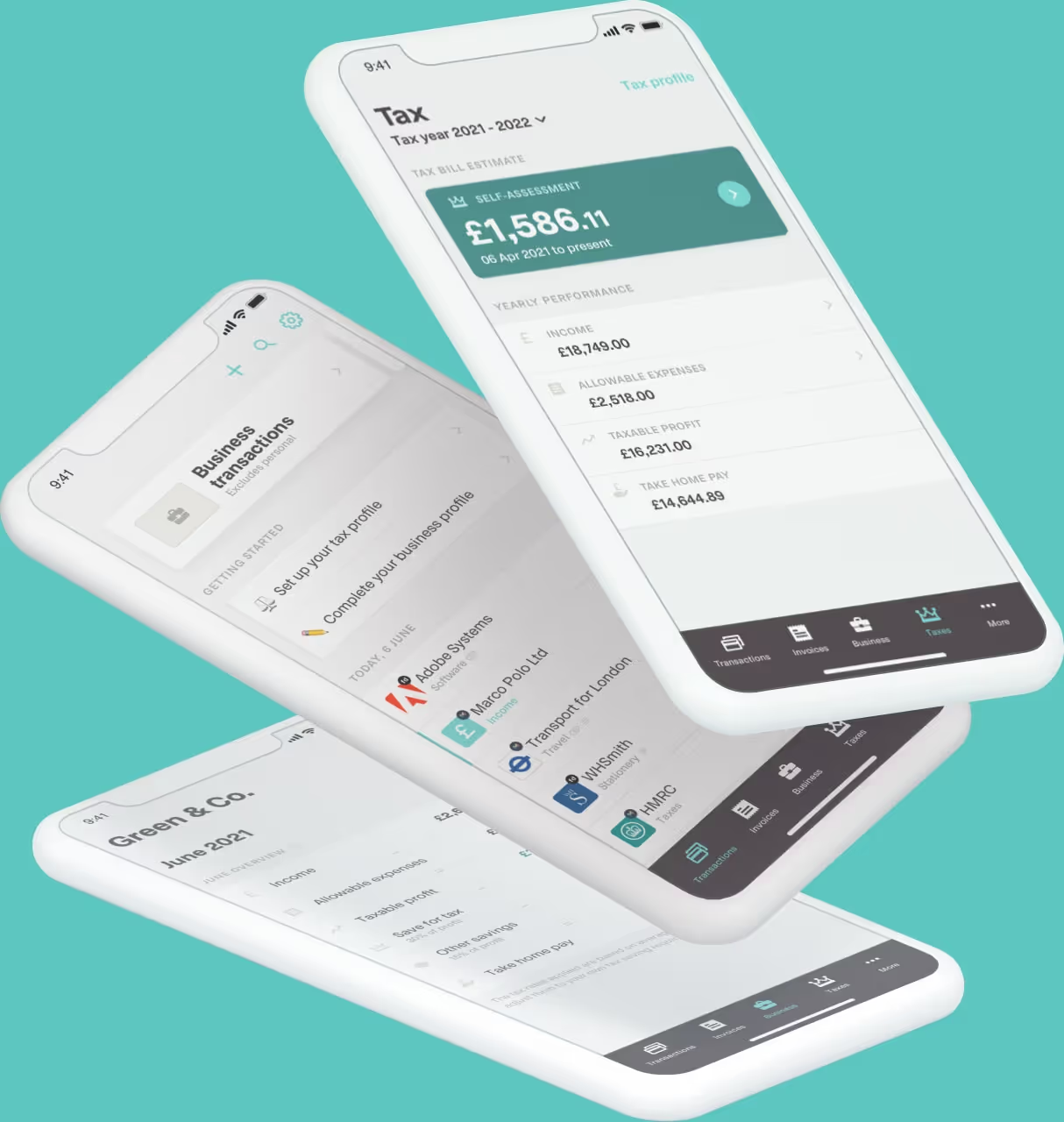
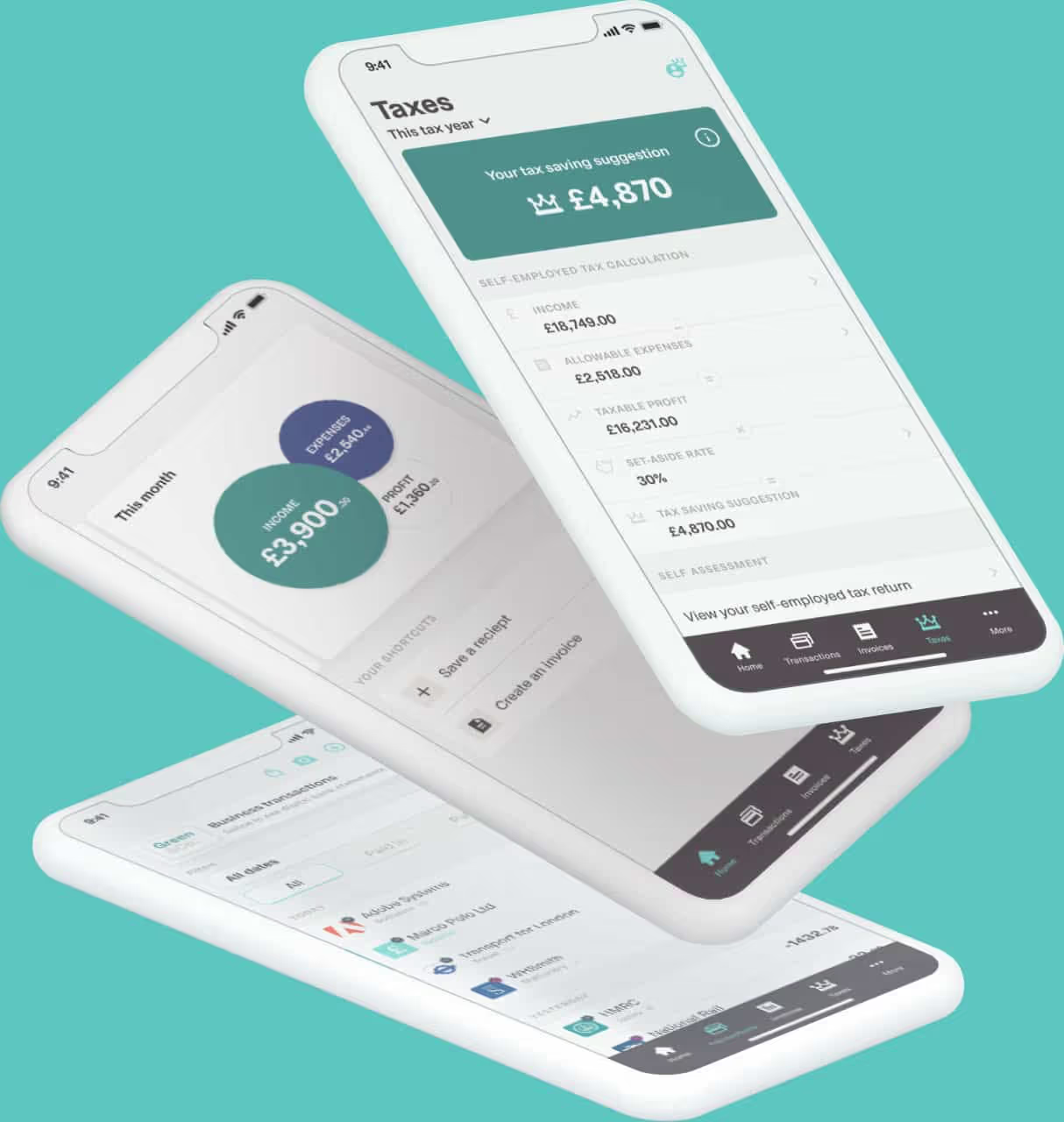
But under MTD, this can all add up to a penalty. That’s where an app like Coconut comes in - helping you to avoid penalty points completely. In fact, it keeps your records organised in the exact format that HMRC requires for MTD. Not just that but you’ll also benefit from:
- Automatic transaction imports
- Smart categorisation
- Receipt capture
- Real-time bookkeeping
- Clear tax estimates
- Stress-free submissions - with or without an accountant
Late-payment penalties vs MTD penalty points: what’s the difference?
MTD’s penalty points system applies only to late submissions. Each late filing earns a point and once you hit a threshold, you receive the penalty. It’s about filing on time, not paying on time.
That’s where the late-payment penalties come in. These apply when you pay late and the charges increase the longer your bill is unpaid. They’re based on how many days overdue the payment is, plus interest.
In short: MTD points = late filing. Late-payment penalties = late paying.
The bottom line
The MTD penalty system might sound strict, but it’s actually designed to be fair. And with tools like Coconut, you can stay organised all year round and avoid any slip ups. Even better, you can benefit from a 14-day free trial when you sign up today.