




If you’re a landlord, you’ve probably heard the words “Making Tax Digital” muttered in hushed, slightly panicked tones. Maybe by your accountant. Maybe by another landlord in a WhatsApp group. Maybe by HMRC themselves.
So let’s clear things up.
Here’s what HMRC MTD for self-employed landlords 2026 actually means, when it’s happening, who it affects and how you can get ready without losing your weekend (or your sanity).
What is MTD?
Making Tax Digital (MTD) is HMRC’s plan to move tax reporting fully online. The goal is simple enough: fewer mistakes, more accurate records and no more last-minute panic uploading a year’s worth of numbers at 11:58pm.
For landlords, this means:
- Digital record-keeping
- Quarterly updates sent to HMRC
- A final end-of-year MTD tax return submission
Yes, it’s more frequent than once a year. But it’s designed to make reporting more accurate and manageable over time.
Who it affects
From April 2026, HMRC MTD for self-employed landlords will apply if:
- You’re a UK landlord or self-employed
- Your combined annual income from property and/or self-employment is over £50,000
If that’s you, MTD isn’t optional. It’s happening.
Then from April 2027, the threshold drops to £30,000, and in April 2028, the threshold drops to £20,000 pulling in even more landlords.
So even if you’re not affected right now, it’s very much a “future you” problem.
What actually changes for landlords?
This is the bit that sounds scary but is mostly… admin.
Under HMRC MTD for self-employed landlords 2026, you’ll need to:
1. Keep digital records
No more scribbled notes, spreadsheets you never open, or “I’ll sort it later” shoeboxes full of receipts.
Your income and expenses need to be logged digitally, using a MTD-compatible software, like Coconut.
2. Send quarterly updates
Instead of one annual tax return, you’ll send four quarterly updates of your income and expenses to HMRC.
The good news? These aren’t full tax returns, but they still need to be accurate. Think of them as progress check-ins, not final exams.
3. Submit a MTD Tax Return
At the end of the tax year, you’ll still submit a end of year MTD tax return to confirm everything and sort out your tax bill.
So no, tax returns aren’t disappearing, they’re just changing.
When does HMRC MTD for self-employed landlords start?
Here’s the timeline:
- April 2026 – Mandatory for landlords with income over £50,000
- April 2027 – Mandatory for landlords with income over £30,000
- April 2028 - Mandatory for landlords with income over £20,000
If you’re above those thresholds, you’ll need to:
- Register for MTD
- Use compatible software like Coconut
- Submit income and expenses updates digitally
Why HMRC is doing this
Yes, it’s a change. Yes, it’s more regular reporting. But there are some upsides:
- Fewer nasty surprises at tax time
- A clearer view of how your rental business is performing
- Less chance of errors (HMRC hates errors even more than you do)
Once you’re set up, it’s actually meant to make things smoother, not harder. The trick is using the right tools.
How Coconut helps with HMRC MTD for self-employed landlords
This is where Coconut earns its keep. Coconut is built for people who don’t want to spend their evenings doing admin which, let’s be honest, is most people. With Coconut, you can:
Track income and expenses automatically
Rental income, expenses, mileage - it’s all logged as you go, not in a mad rush at the end of the quarter.
Stay MTD-ready
Coconut is MTD-compatible, so when HMRC MTD for self-employed landlords 2026 kicks in, you’re already prepared.
No panic downloads. No last-minute learning curves.
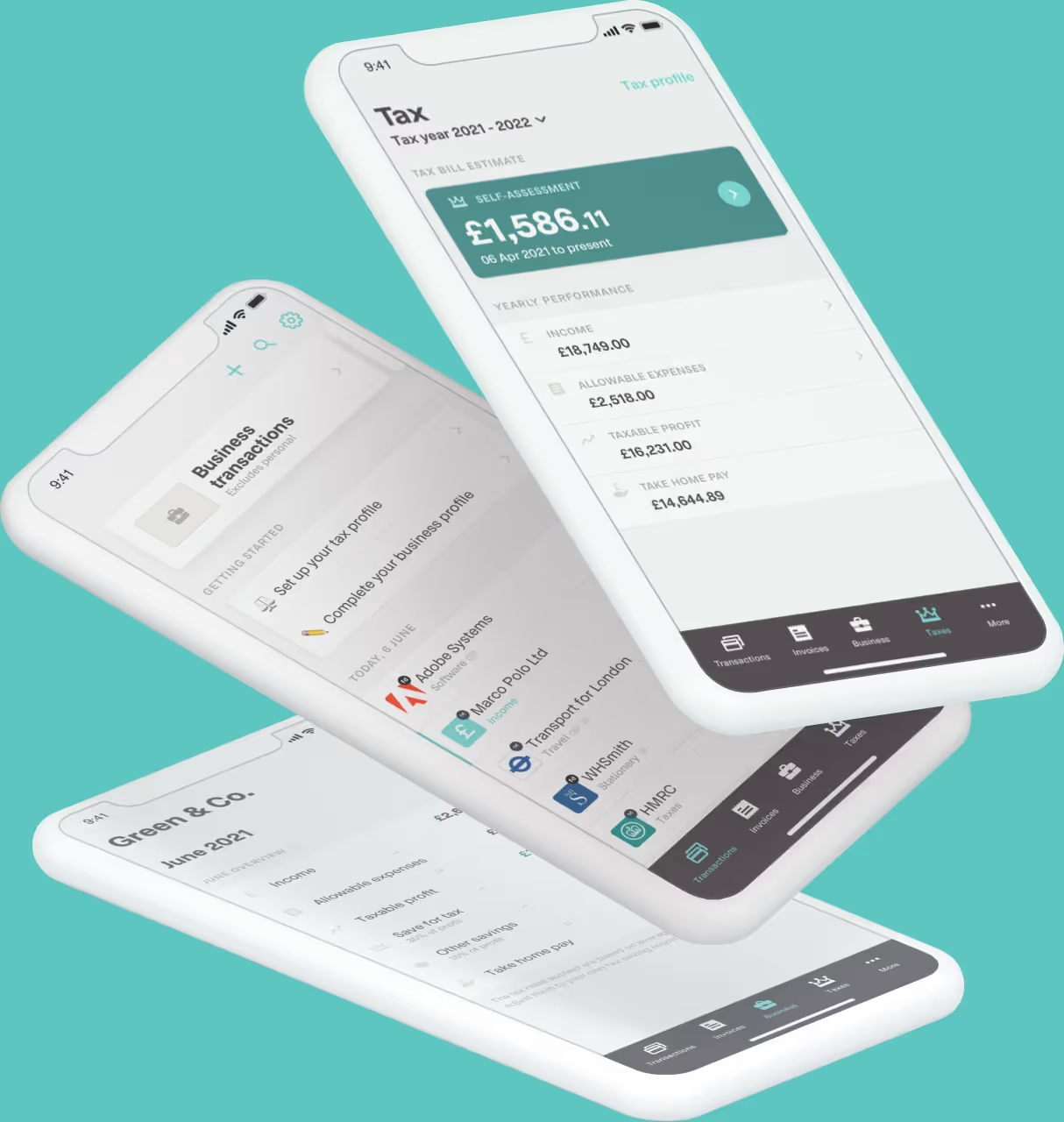
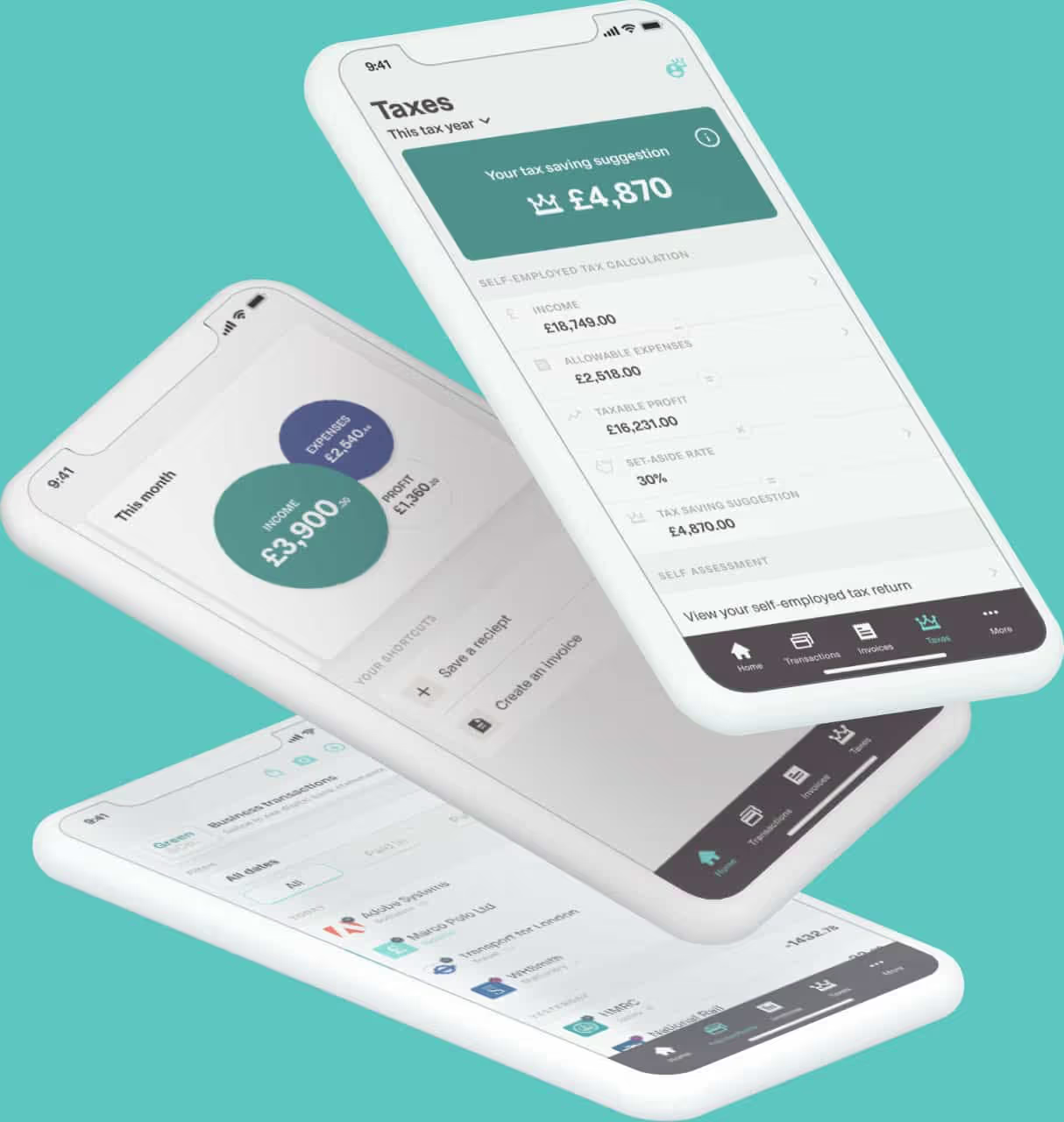
See your tax position in real time
Instead of guessing what you owe, Coconut gives you an ongoing estimate, which is much nicer than a surprise bill landing out of nowhere.
Submit updates without the stress
Quarterly updates don’t need to be a drama. Coconut keeps everything organised so sending them is quick and straightforward. Basically: less admin, fewer headaches, more time doing what you do best.
What landlords should do now
Even if HMRC MTD for self-employed landlords feels ages away, future-proofing now will save you a lot of hassle later.
A good starting point:
- Move your records fully digital
- Get comfortable with MTD-compatible software
- Stop relying on spreadsheets you don’t trust
The earlier you start, the less painful the switch will be.
Final thoughts
MTD isn’t going away. HMRC MTD for self-employed landlords 2026 is coming.
The good news? With the right setup and the right software, it doesn’t have to be headache.
Coconut helps you stay organised, MTD-ready and in control of your taxes, without turning your life into one long admin task. And honestly? That’s a win!