




If you’re self-employed or run a small business, 2026 is a pivotal year for your taxes but the impact depends on your income. From April 2026, Making Tax Digital (MTD) becomes mandatory for income tax if your annual income exceeds £50,000. This means the old-style Self Assessment, including paper forms and manual spreadsheets, will no longer be an option for those who meet the threshold.
If your income is below £50,000, you can continue using the traditional Self Assessment for now. However, MTD is likely to expand gradually to lower thresholds in the coming years (for example, £30,000 in 2027 and £20,000 in 2028), so it’s worth starting to prepare for a digital approach sooner rather than later.
Even if you’ve been comfortable with the old system, 2026 is the year to digitally organise your finances and ensure you’re fully compliant. Leaving it to the last minute could lead to unnecessary stress, errors or even penalties.
What’s changing in 2026?
MTD has been rolling out gradually, starting with VAT in 2019. From April 2026, it applies to income tax for self-employed individuals and landlords earning more than £50,000 a year.
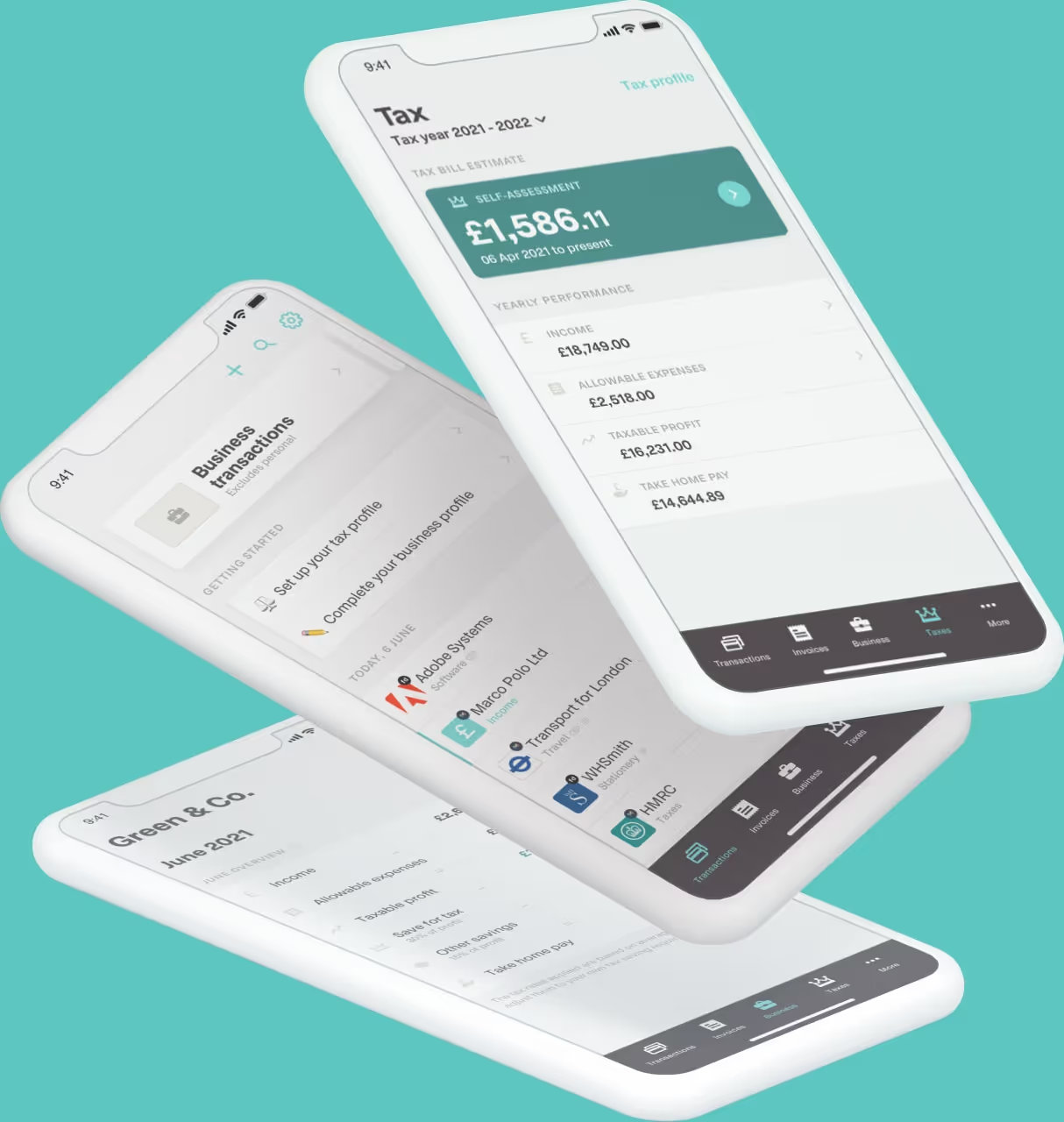
HMRC will no longer accept traditional Self Assessment forms for those above the threshold. All income, expenses, and tax calculations must be recorded digitally and submitted through MTD-compatible software, like Coconut. That means no more paper forms or manual spreadsheets for those affected.
Why acting now matters
Some people assume they still have plenty of time. But the reality is that transitioning to MTD takes preparation. You’ll need to:
• Choose the right software – not every accounting tool is MTD-ready.
• Digitise your records – income, expenses, invoices and receipts need to be easily accessible in a digital format (see allowable expenses).
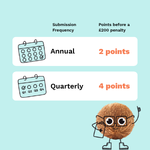
• Get used to quarterly updates – MTD reporting is more frequent than the traditional annual Self Assessment.
Waiting until the middle of 2026 could mean a rushed, stressful transition. Starting now gives you time to get comfortable with the new system and avoid mistakes.
How Coconut can help
Coconut is built specifically for freelancers, contractors, and small business owners to make tax simple and MTD-ready. With Coconut, you can:
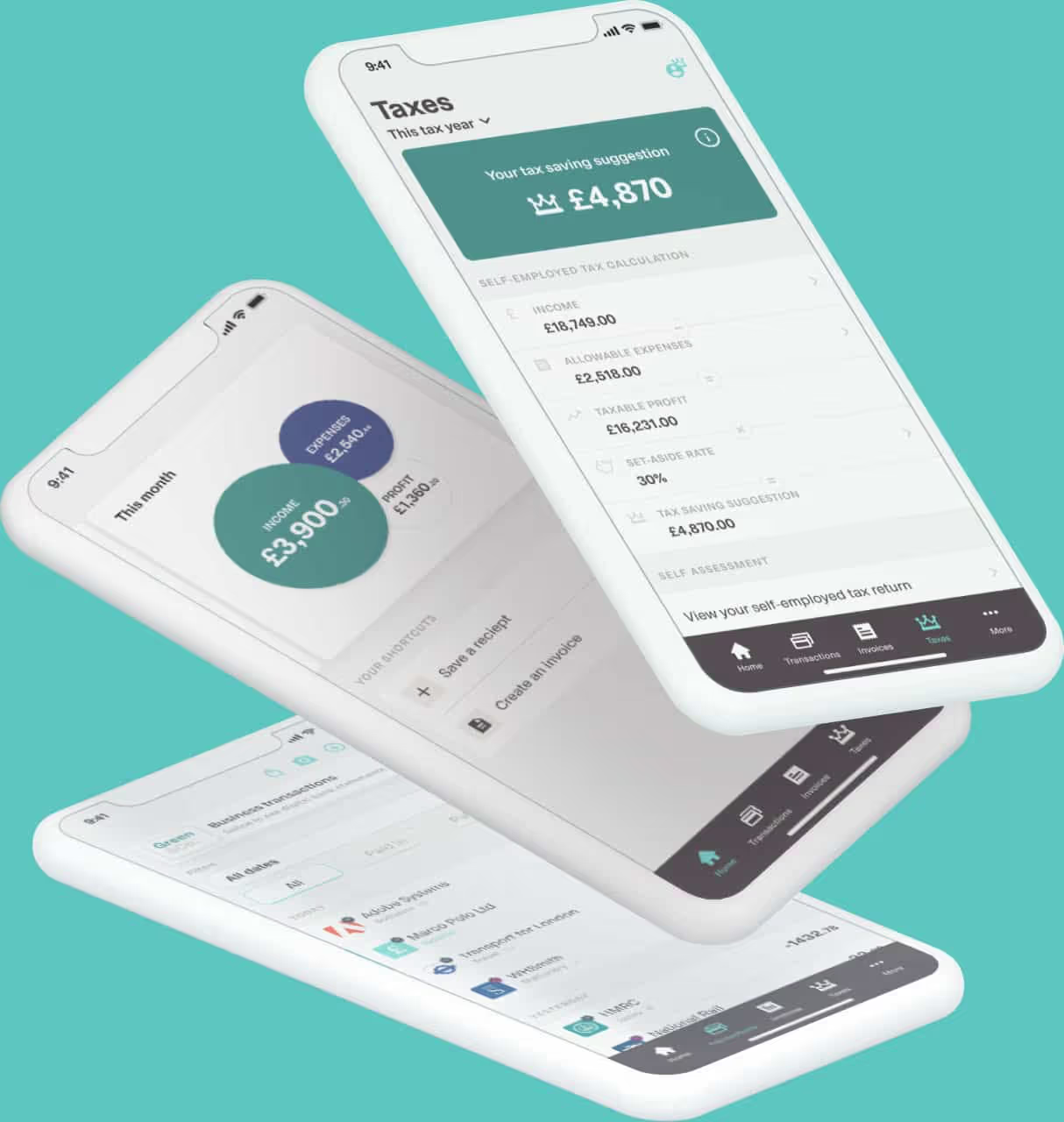
• Track income and expenses automatically.
• Generate fully MTD-compliant reports.
• Keep all your financial information in one place for easier quarterly submissions.
• Take the stress out of tax management and focus on growing your business.
By using Coconut, you’re not just staying compliant, you’re simplifying your finances and taking control before the April 2026 change. Even if MTD doesn’t apply to you this year, starting early makes future compliance easier.
The takeaway
For anyone earning above the MTD threshold, 2026 is the last year you can rely on the old Self Assessment. Now is the time to review your processes, start digitising your records and explore tools like Coconut to make the transition smooth and stress-free.
If your income is below the threshold, you can continue filing under the traditional system for now but planning ahead for MTD will make the process much simpler when the rules eventually apply to you.
Ready to make your business finances a breeze with Coconut’s self-employed accounting software? Sign up now and try it for free.