



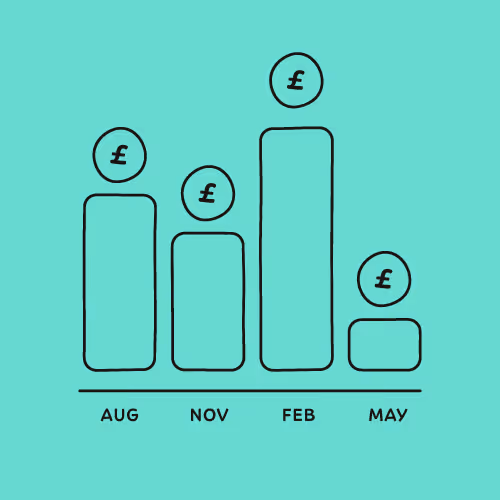

Under the new Making Tax Digital rules, you need to submit quarterly updates of your accounts. But what happens when income changes throughout the year? After all, if you’re self-employed, freelance or run a seasonal business, chances are your income isn’t consistent every month - and that’s completely normal.
In this blog, we clear up exactly how quarterly reporting works, what fluctuating income means for your tax - and we reveal why there’s no need to panic.
What is quarterly reporting under MTD?
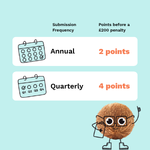
Making Tax Digital requires four quarterly updates throughout the year as well as one final tax return. In these quarterly updates, you need to provide your total income, total expenses and a breakdown of expense categories.
This helps HMRC to build a more up-to-date picture of your annual tax position but they don’t trigger tax payments.
What if my income goes up and down?
Don’t worry. This is completely normal and fully expected. Quarterly updates aren’t final tax calculations. They’re snapshots of how your business is performing at different points in the year.
- A high-income quarter doesn’t mean higher immediate tax
- A low-income quarter doesn’t reduce your final tax bill
Your final tax position is only confirmed at year-end, once all four updates and your final tax return are complete. In short, your tax is calculated on your total annual income, not quarter-by-quarter.
Why quarterly reporting can actually help
Quarterly reporting doesn’t generate tax bills or lock in your tax. Instead, it helps to track your progress, improve accuracy, reduce mistakes and prevent nasty surprises.
This means quarterly reporting becomes a financial advantage, rather than a burden. Think about it this way: instead of discovering a large tax bill months after the money is gone, you get early visibility, giving you time to plan.
What about seasonal businesses?
If your income is seasonal, quarterly reporting actually reflects your business reality far better than one annual snapshot. This is because it allows high seasons, low seasons and quiet seasons to be properly represented without distortion.
HMRC generally won’t question low or high quarters - and that goes for self-employed people, contractors and freelancers. Only extreme irregularities may trigger checks, and even then, you simply explain the nature of your business.
How Coconut makes quarterly reporting easy
Coconut automatically:
- Tracks your income
- Categorises expenses
- Produces quarterly summaries
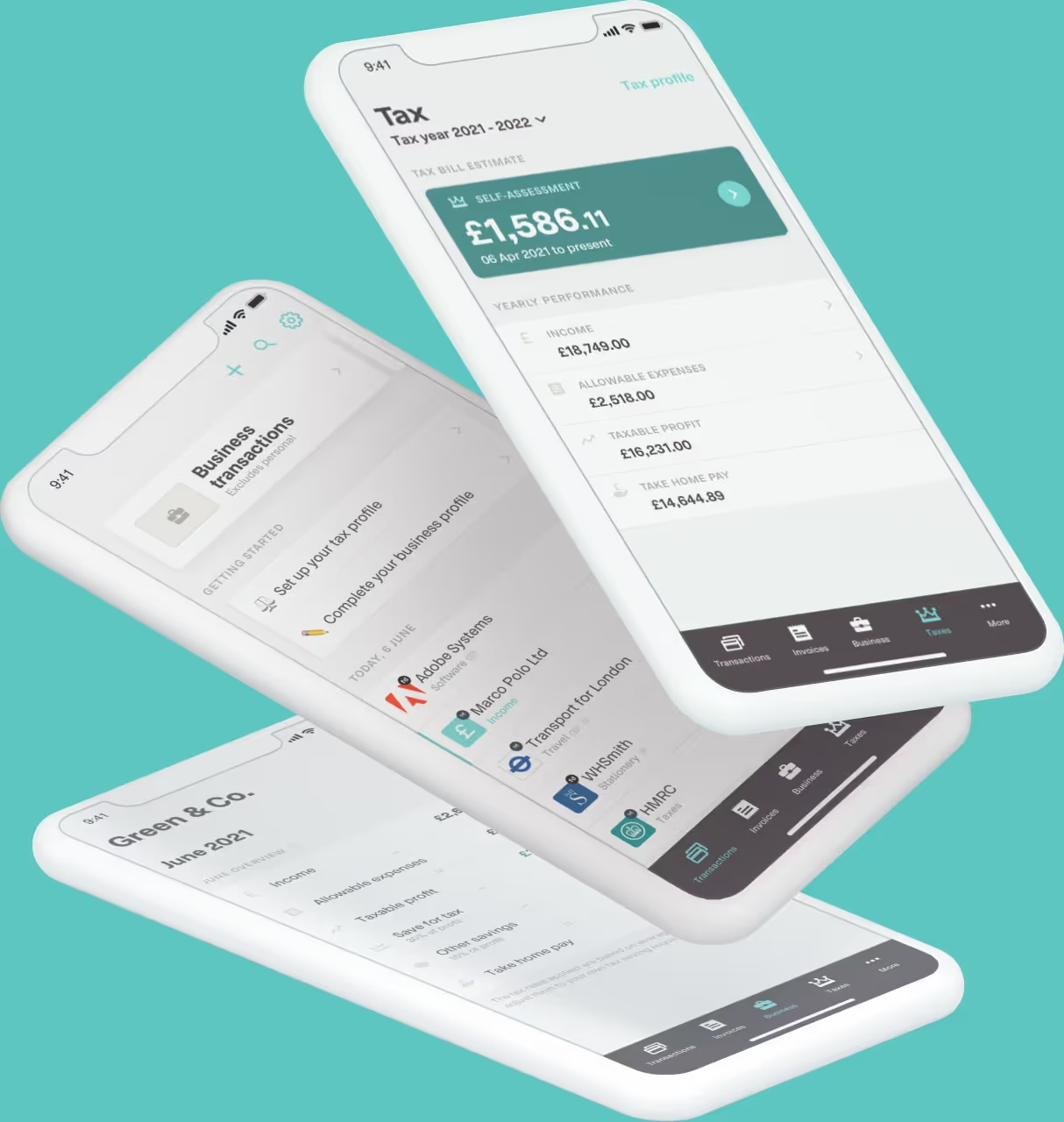
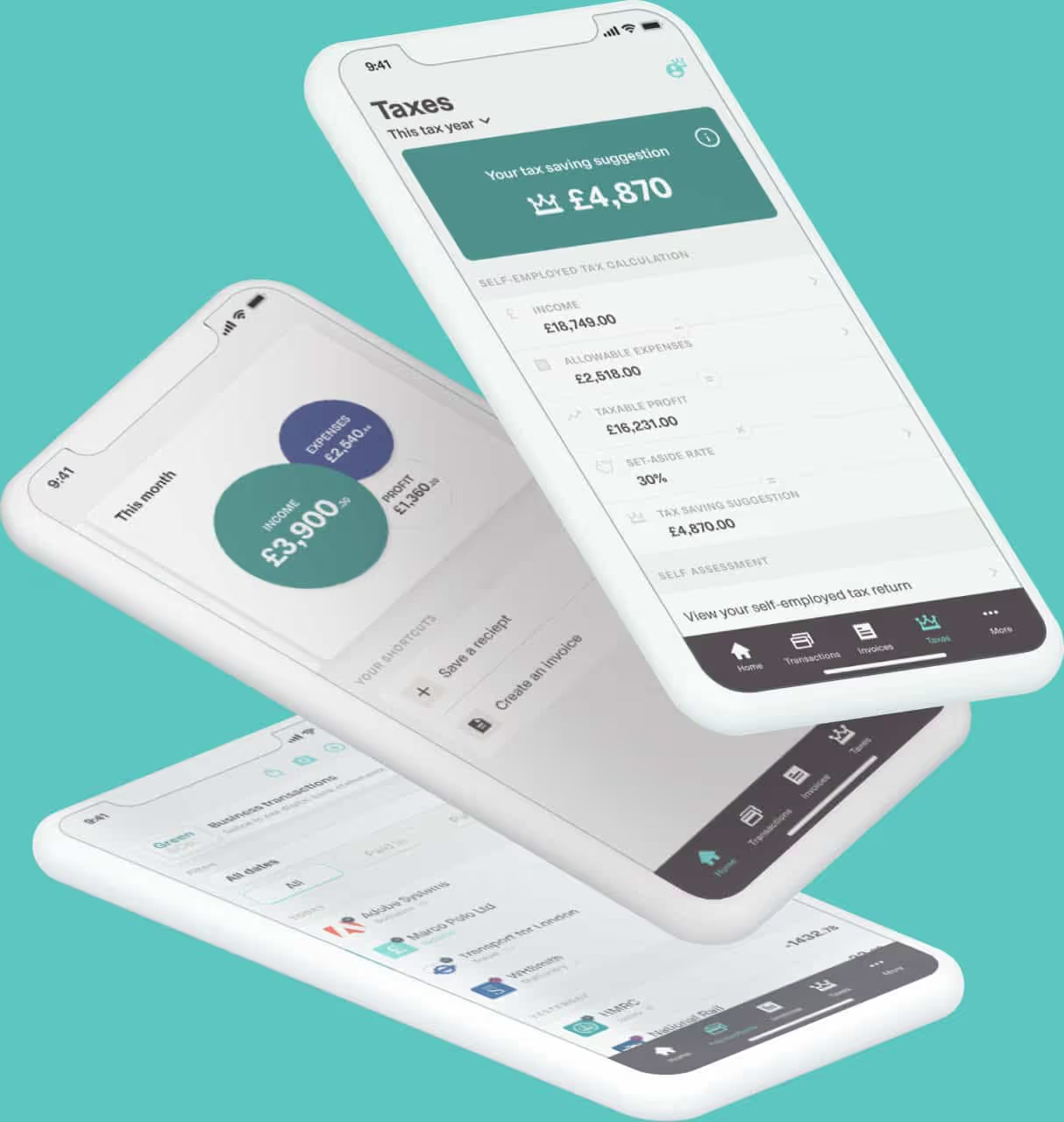
- Estimates your tax
- Prepares submissions
This removes:
- Manual calculations
- Spreadsheet headaches
- End-of-quarter stress
In fact, with the right system in place, like Coconut, quarterly reporting can actually help you feel more in control, more prepared and more confident about your finances. So why not give it a try today?
Quarterly updates are checkpoints, not financial commitments. What’s more, having the right tool can make it all even easier.