




Making Tax Digital is one of the biggest changes to the UK tax system in recent years. If you’re a landlord, it’s also something you can’t afford to ignore. After all, it could change how and when you report your rental income to HMRC.
One of the biggest areas of confusion is knowing exactly when the rules apply and what income counts towards the threshold. And with MTD being introduced in phases, starting from April 2026, now’s the time to understand whether you fall into the relevant brackets and what you need to do to prepare.
So, let’s break it down.
What is MTD for landlords?
Making Tax Digital for Income Tax Self Assessment requires sole traders and landlords to:
- Keep digital records of income and expenses
- Submit quarterly updates to HMRC
- File a MTD tax return at the end of the year
The goal is to make tax reporting more up to date and accurate but it does mean a shift in how landlords manage their finances.
When do landlords need to comply?
It’s being rolled out in phases. From April 2026, landlords with income over £50,000 annually must comply. In April 2027, that threshold drops to £30,000 and future phases are to include those with income over £20,000.
If your qualifying income exceeds the threshold in a given tax year, you’ll need to follow MTD rules from the next year.
What counts as qualifying income?
This is where many get caught out. Qualifying income isn’t just your profit. It’s your gross income before expenses. This includes rental income from UK property and overseas property as well as income from self-employment.
For landlords, this typically means monthly rent payments, payments for furnished holiday lets and any additional charges to tenants such as cleaning or utilities if included in rent.
Remember, HMRC looks at your total qualifying property income across all rental properties, not each property individually. This means if you own multiple buy-to-lets or a mix of standard rentals and holiday lets, the combined income is what matters for MTD.
Certain types of income don’t count towards the MTD threshold including employment income, dividends, savings interest and capital gains. So even if your total income is high, you only need to look at your property and self-employment income to see whether MTD applies to you yet.
Furnished holiday lets
As mentioned above, furnished holiday lets income count towards your qualifying income. While the tax treatment of these lets has changed in recent years, landlords with qualifying holiday let income may need to comply with MTD rules if their total property and self-employment income exceeds the threshold.
This means if you own both long-term rental properties and short-term holiday lets, you’ll need to combine the income across both.
What landlords should do now
Even if MTD doesn’t apply to you yet, it’s worth preparing early. This means moving away from spreadsheets and using MTD-compatible software to keep digital records throughout the year. By getting into good habits now, your transition will likely be much smoother when the time comes.
How Coconut can help
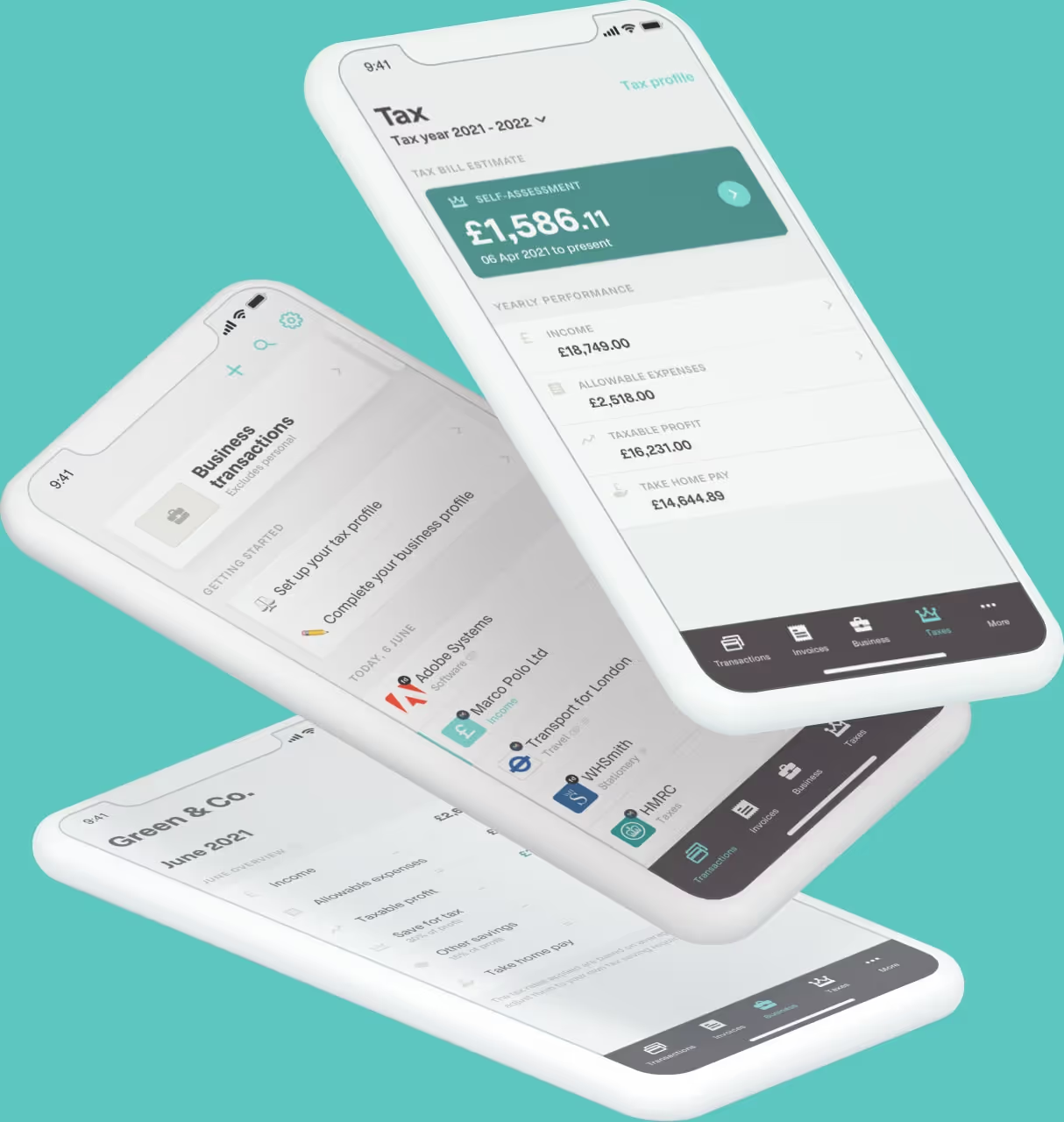
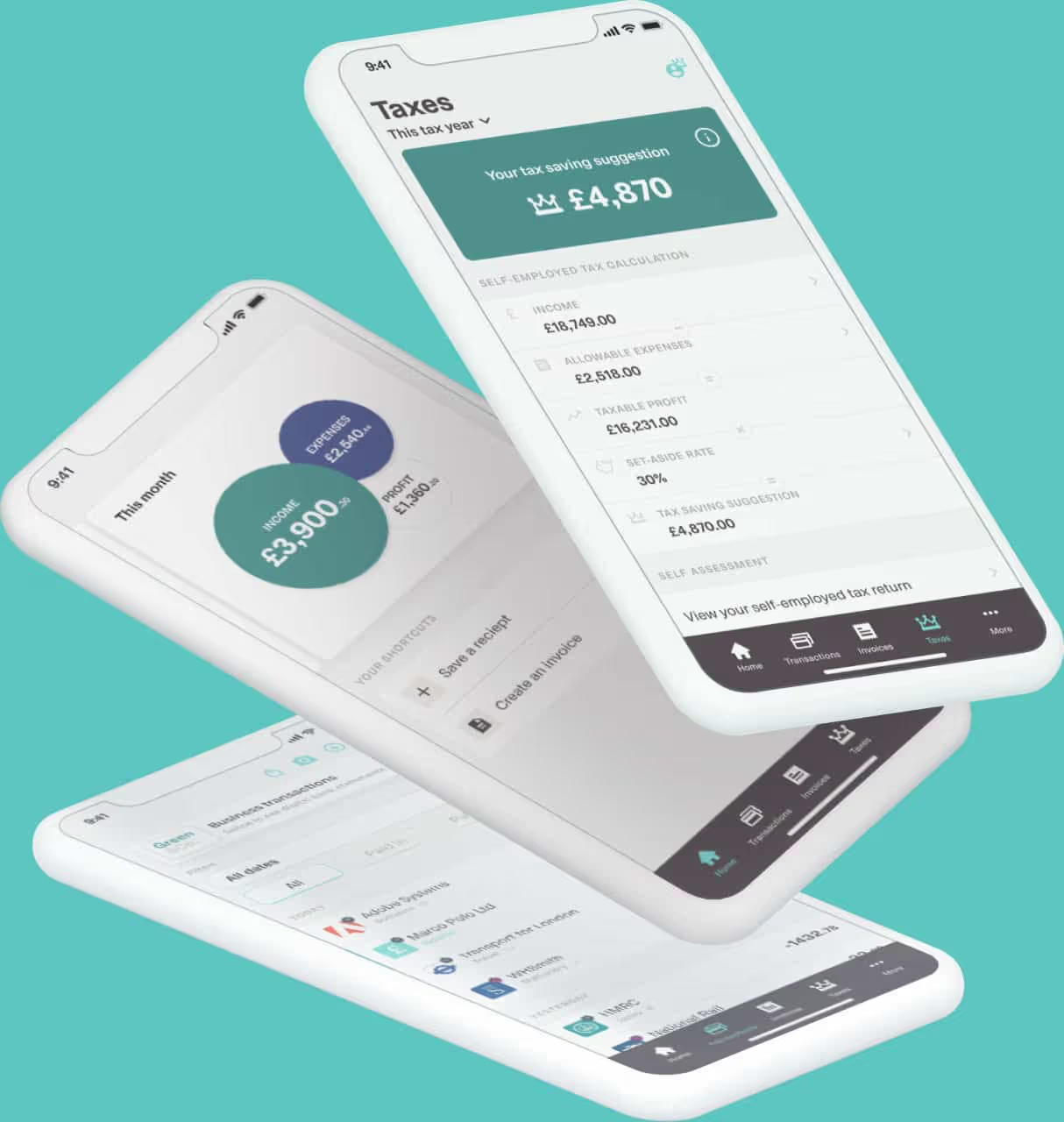
Keeping track of rental income across multiple properties can quickly become difficult. And that’s before we mention quarterly MTD reporting. Thankfully, Coconut takes the stress out of tax for landlords with features like income tracking, expense categorisation and MTD-ready reporting.
What’s more, whether you own a single buy-to-let or a larger property portfolio, using MTD-ready software now can make the transition much smoother, instead of rushing to adapt when MTD becomes mandatory.
So sign up to Coconut today to stay on top of your property income and feel prepared well before the deadlines arrive.