



.png)

If you’re a Construction Industry Scheme (CIS) subcontractor, there are a few things that might impact you under Making Tax Digital. And while CIS deductions aren’t changing, the way you report your income to HMRC might. Here’s everything you need to know.
Does Making Tax Digital affect CIS subcontractors?
Yes but only if you’re required to join Making Tax Digital for Income Tax.
For example, if you’re a CIS subcontractor who completes Self Assessment and your qualifying income meets HMRC’s threshold, you’ll move from filing one annual tax return to maintaining digital records and submitting quarterly updates as well as an end-of-year statement.
In April 2026, the qualifying threshold included those earning over £50,000. From April 2027, this will drop to £30,000 and in April 2028 any sole trader or landlord earning over £20,000 will need to comply.
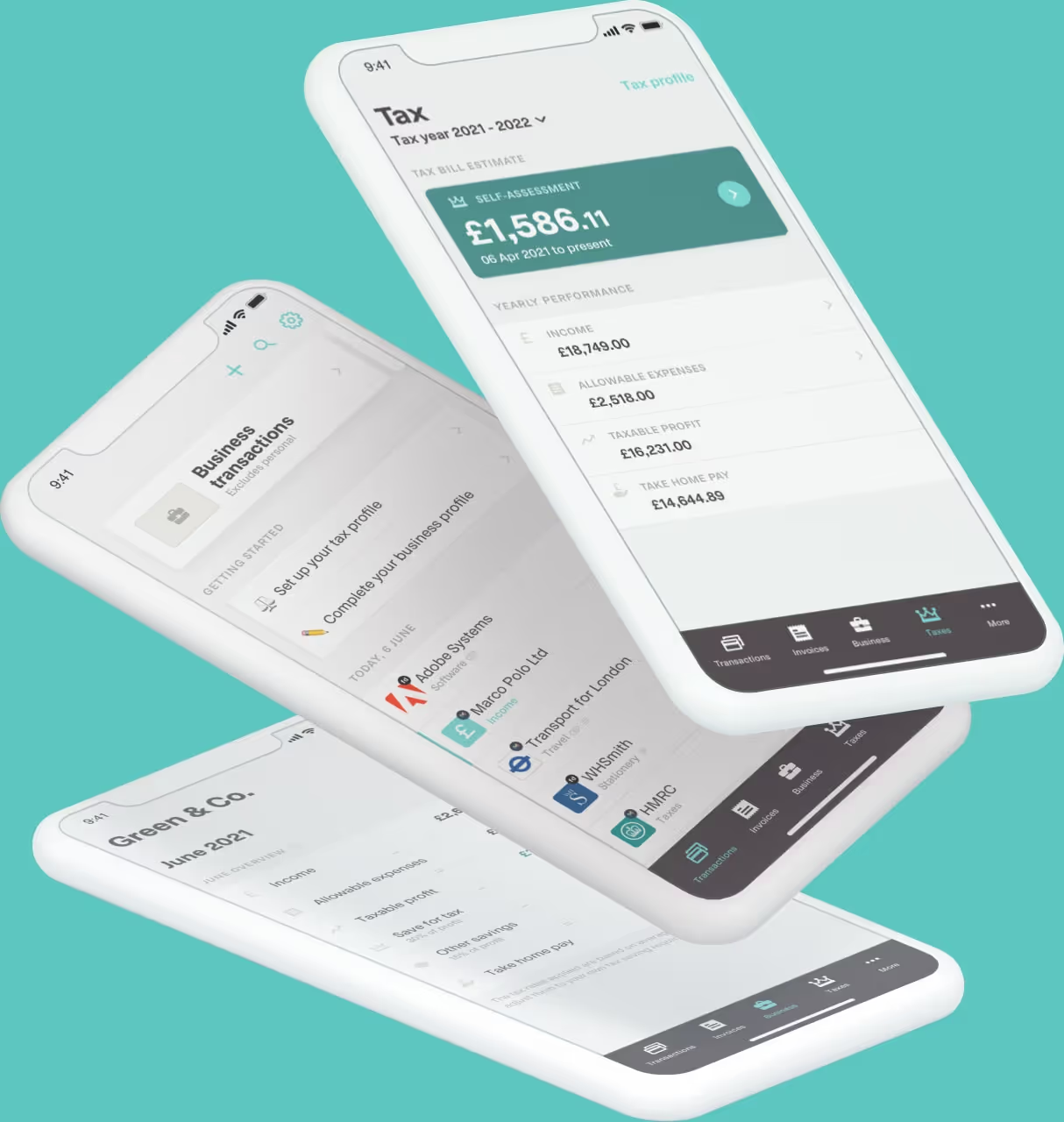
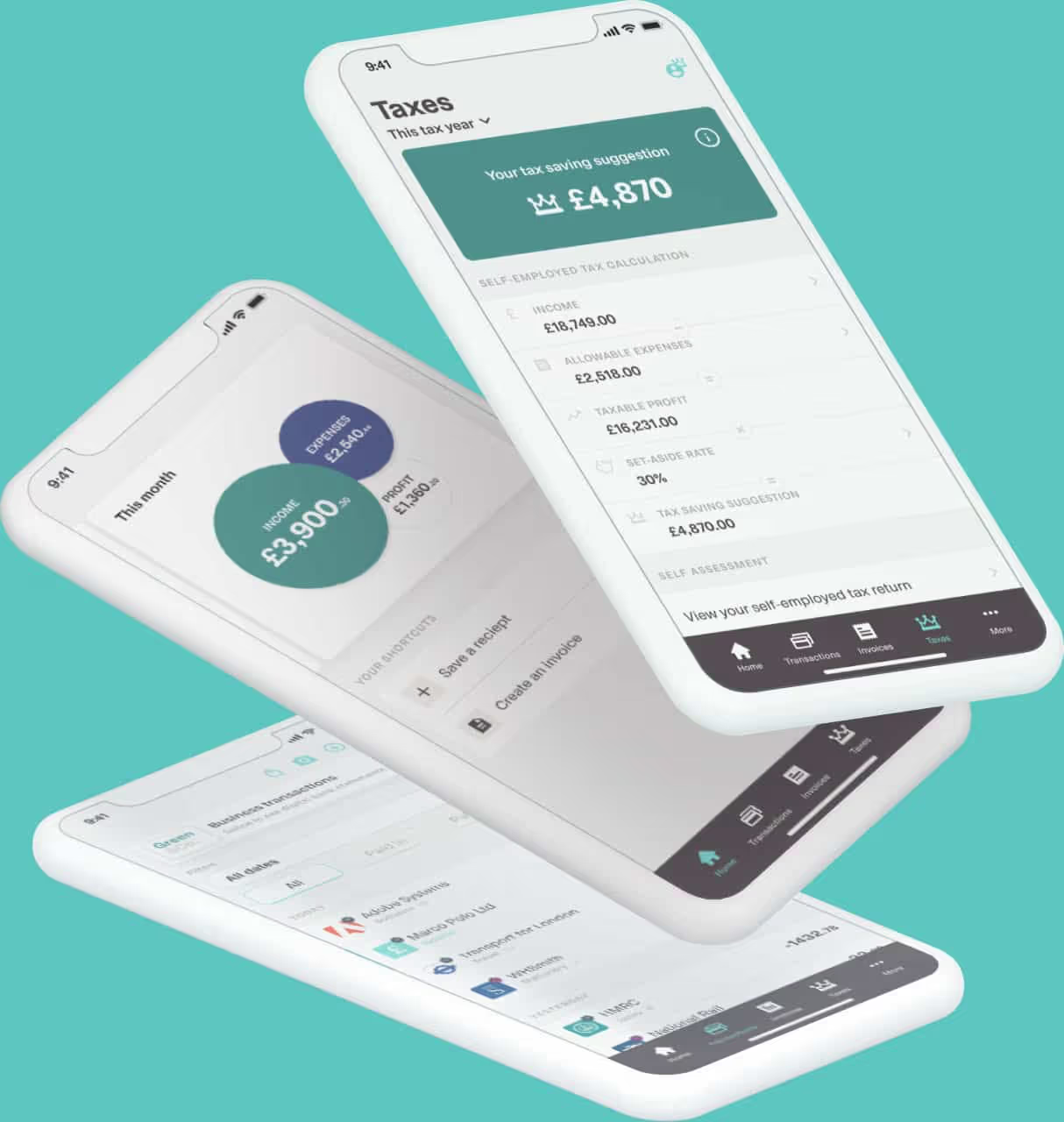
While the CIS scheme itself remains the same, your reporting obligations become digital. But don’t worry about dealing with more work. HMRC-recognised software like Coconut helps simplify day-to-day bookkeeping by automatically importing and categorising transactions, storing receipts and giving you a clearer picture of your income, expenses and tax position. This means you’re not only preparing for MTD but also making tax admin easier all year round.
How does quarterly reporting work?
Instead of waiting until January to prepare everything for your tax return, MTD requires you to record income and expenses throughout the year. This means more accurate records and less end-of-year admin. Even better, you can keep a close eye on your tax position and correct any issues if something looks wrong.
How are CIS deductions recorded?
Contractors will still deduct CIS tax before paying you. Under MTD, you’ll need records showing invoices, payments received, CIS deductions and allowable expenses. This helps ensure your final tax calculation reflects the tax you’ve already paid throughout the year.
CIS tax return: what can I claim?
Allowable business expenses haven’t changed under MTD. Some of the most common include:
- Tools and equipment
- Protective clothing
- Business mileage
- Travel to temporary workplaces
- Accountancy fees
- Business insurance
- Phone costs used for work
- Training directly related to your trade
Remember though, MTD requires all expenses to be digitally recorded using compatible software. These must also be included in your quarterly updates.
Why digital bookkeeping makes life easier
One of the biggest benefits of MTD is that it makes bookkeeping and tax less stressful. Instead of collecting receipts throughout the year or updating a spreadsheet every few months, digital bookkeeping means you keep everything organised as you work.
This means fewer missing expenses, better visibility of your income after CIS deductions and a clearer understanding of where you stand when it comes to your tax position. In fact, for busy subcontractors who spend most of their time on-site, having your records available in one place can save valuable time.
How Coconut helps CIS subcontractors prepare for MTD
Coconut has been built with self-employed professionals in mind, including CIS subcontractors preparing for Making Tax Digital. With Coconut, you can:
- Securely store digital records
- Automatically import and categorise transactions
- Keep track of allowable expenses
- Understand your estimated tax throughout the year
- Prepare for quarterly reporting using HMRC-recognised software
So, whether you’re getting ready for MTD or just want to spend less time on bookkeeping, Coconut simplifies the process so you can focus on the job rather than the paperwork. Even better, you can try it today with a free 14-day trial.