



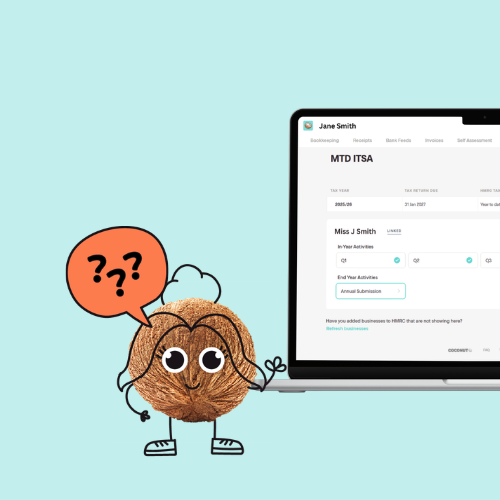

If your qualifying income from self-employment and property exceeds £50,000 a year, Making Tax Digital for Income Tax (MTD) now applies to you. That’s not to say you can sit back and relax if you earn under this. Further deadlines are approaching, meaning now is the right time to understand whether you'll be affected and what action you need to take.
Is MTD mandatory?
Making Tax Digital for Income Tax has already been rolled out. From April 2026, it applies to self-employed individuals and landlords with qualifying income over £50,000. From April 2027, this threshold reduces to £30,000 and in April 2028 HMRC has confirmed that those earning over £20,000 will need to comply.
Who needs to comply now?
If you’re a sole trader, freelancer, self-employed professional or landlord with qualifying income, now is the time to prepare. Even if you’re below the threshold, switching to digital bookkeeping early can smooth out your processes - and the transition later.
What counts as qualifying income?
Qualifying income is your gross income from self employment and property before expenses are deducted. If you earn income from both sources, however, HMRC looks at the combined total when determining whether you must comply with MTD or not.
For example, if you earn £35,000 from self employment and £20,000 from rental, your total qualifying income is £55,000. This means you’d fall within MTD for Income Tax requirements because your combined qualifying income exceeds £50,000.
Who is exempt from Making Tax Digital?
Some individuals may qualify for exemption. This includes those who are:
- Digitally excluded from using digital tools because of age, disability, remote location or other circumstances
- Unable to use digital services for religious reasons
- Already subject to insolvency procedures
Just note that HMRC reviews exemptions individually so qualifying isn’t automatic. If you think you're exempt, you can apply here via Gov.uk.
Penalties for non-compliance
HMRC has introduced a new points-based penalty system for late submissions. Each missed filing results in a penalty point. Once a taxpayer reaches a certain number of points, a financial penalty is issued, with further penalties possible for continued non-compliance.
You also need to consider:
- Interest charges on late payments
- Additional compliance checks
- Administrative delays
- Greater risk of filing errors
This is why many sole traders and landlords move to digital record-keeping early in a bid to avoid these issues.
Benefits of preparing early
Whether or not you meet the threshold yet, early preparation offers plenty of advantages.
- Less stress - learning new systems gradually is much easier than rushing before a deadline
- Better visibility - digital bookkeeping means you have a better understanding of profits, expenses and tax obligations throughout the year
- Fewer errors - automated systems reduce manual mistakes and missing records
- Easier tax management - regular updates mean you can avoid any surprises when your tax payments are due
So, what should you do next?
Whether or not MTD applies to you, there are several steps you can take now.
- Start keeping digital records
- Separate business and personal finances
- Choose MTD-compatible software
- Build better bookkeeping habits
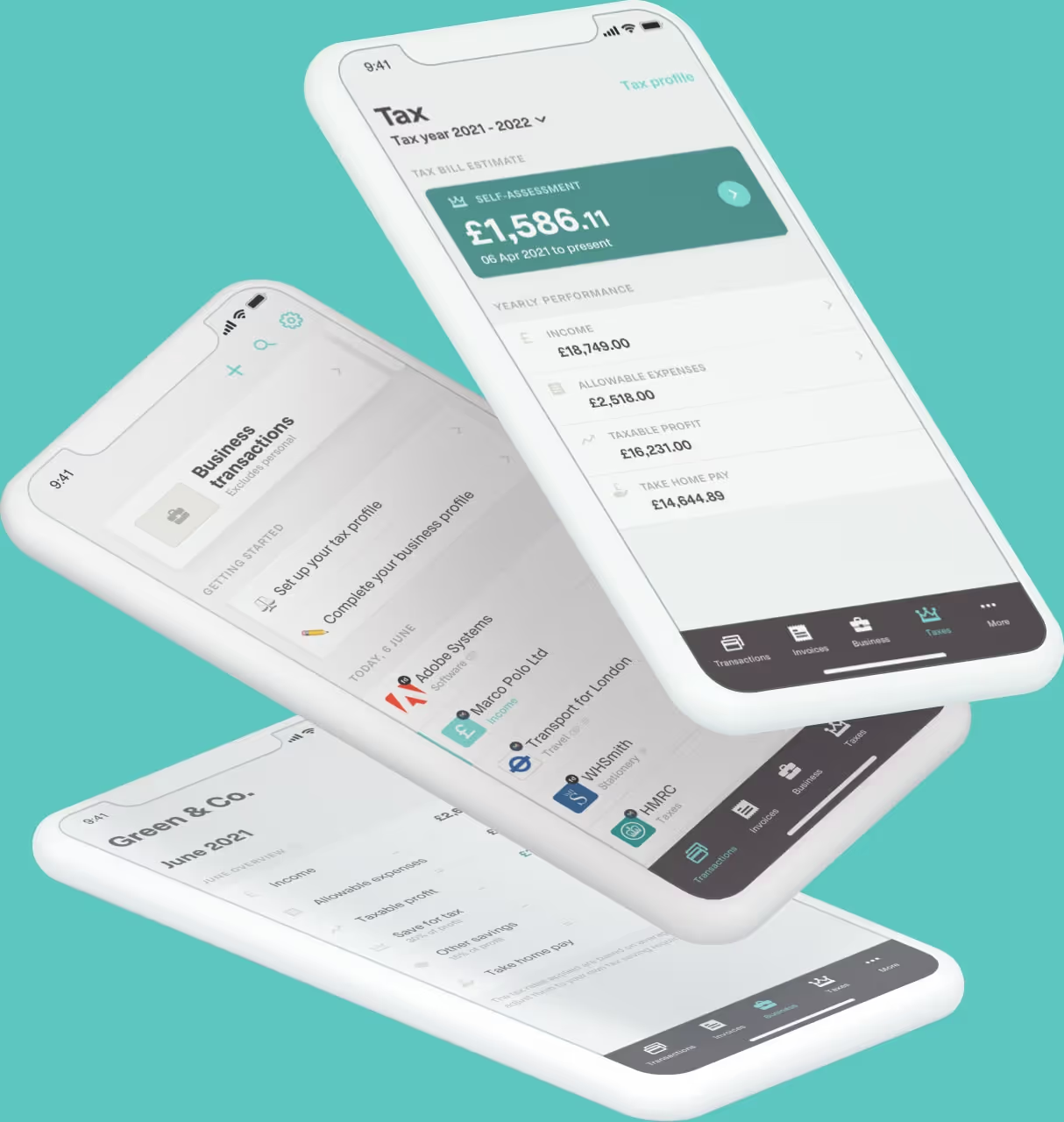
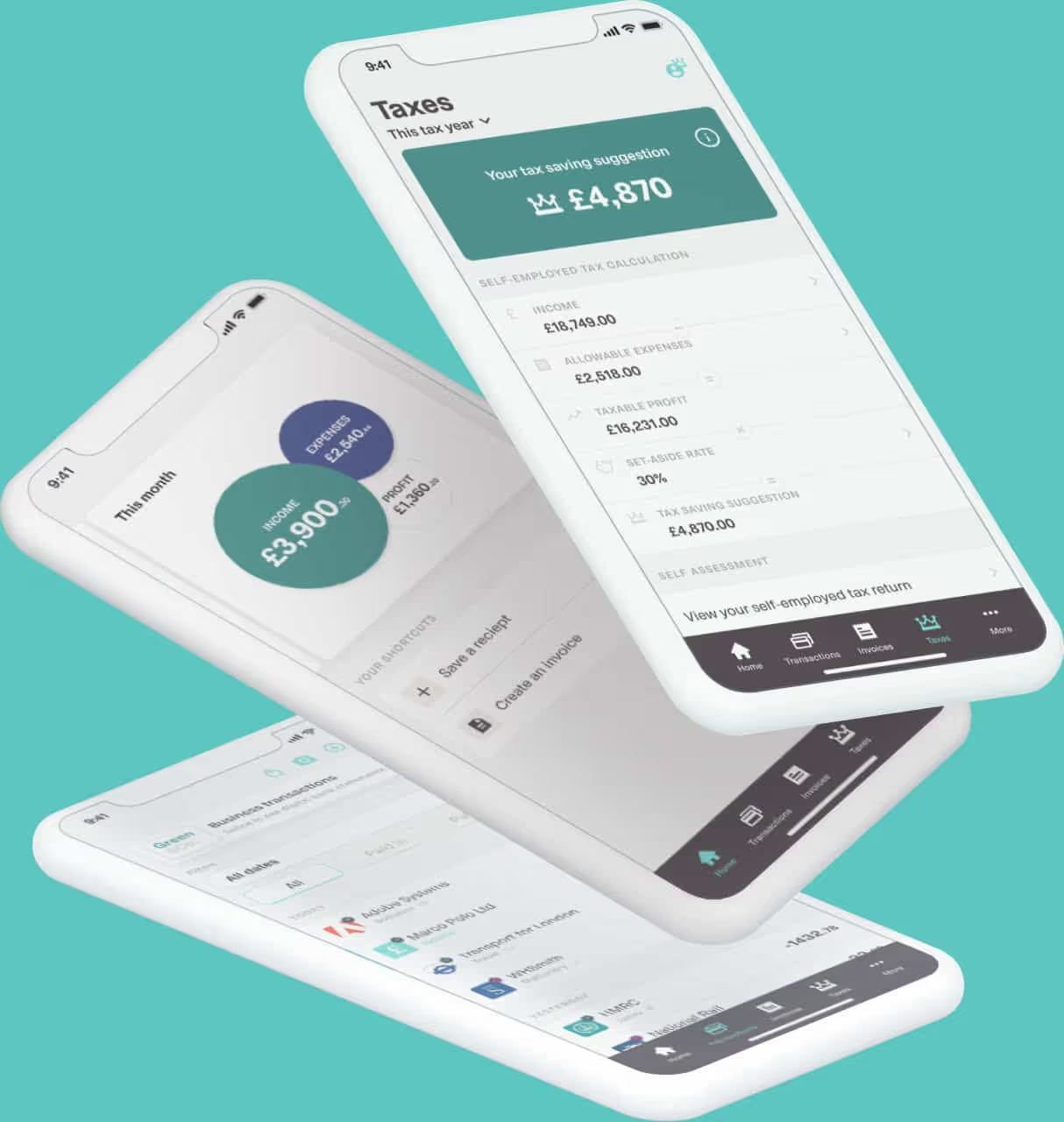
Coconut can help too. It’s designed to simplify bookkeeping and tax admin for self-employed professionals thanks to built-in expense tracking, transaction categorisation and smart accounting features.
In short, it helps you to stay organised and prepare for MTD with less effort on your behalf. In doing so, you can feel more confident about future compliance.
FAQs about Making Tax Digital
Q: Is Making Tax Digital compulsory for all sole traders?
A: No. MTD for Income Tax currently only applies to self-employed individuals and landlords whose qualifying income exceeds the relevant threshold.
Q: Does rental income count towards the threshold?
A:Yes. Property income is included in your qualifying income.
Q: What if my income is below £50,000?
A: As of June 2026, you don’t have to join MTD but future expansions are planned and digital bookkeeping now can help you prepare.
Q: Can I be exempt from MTD?
A: HMRC may grant exemptions for digital exclusion, certain religious objections or insolvency situations.
Q: Do I need special software?
A: Yes. MTD requires digital record-keeping and submissions through HMRC-compatible software.
Q: What are digital records?
A: Under MTD, taxpayers must keep digital records of income and expenses using compatible software rather than relying on paper records or manual spreadsheets.