




April 2026 saw the rollout of Making Tax Digital for Income Tax - and with it came a whole host of deadlines and future release dates. Here, we look at each phase, threshold change and upcoming deadlines that landlords and sole traders should know about.
What is Making Tax Digital?
Making Tax Digital is HMRC’s way of modernising the UK tax system with digital recordkeeping and electronic reporting. The aim is to reduce errors and improve accuracy by moving away from paper-based processes and annual reporting cycles.
April 2026: MTD for Income Tax
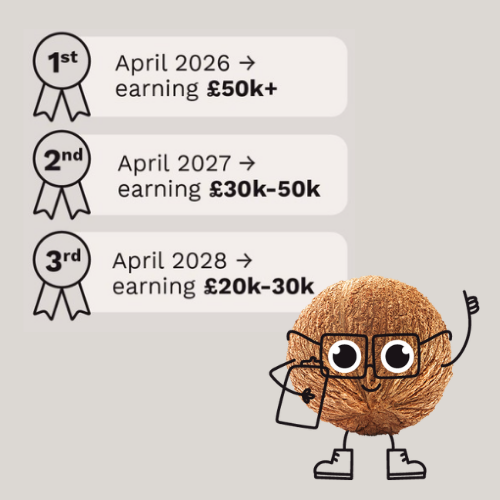
From 6th April 2026, sole traders and landlords with qualifying income over £50,000 became required to comply with Making Tax Digital for Income Tax. This meant that those affected must keep digital records, use MTD-compatible software, submit quarterly updates to HMRC and complete a final declaration at the end of the year.
April 2027: the threshold falls
The second phase of MTD begins on 6th April 2027. From here, sole traders and landlords with qualifying income above £30,000 will also need to comply. Qualifying income for MTD is the sum of your self-employment and/or property income before expenses.
April 2028: Expansion to £20,000
HMRC have revealed that from April 2028 those with qualifying income above £20,000 will also be included. However, you don’t need to wait until you meet the threshold - anyone can sign up and start keeping digital records. In fact, preparing early can make the transition much smoother later on.
What happens during an MTD tax year?
Once you’ve signed up to MTD, there are a few important things to consider and do:
- Maintain digital records: Income and expenses must be recorded digitally using compatible software.
- Submit quarterly updates: Instead of waiting until the end of the tax year, taxpayers must submit quarterly summaries of income and expenses. These aren’t tax returns.
- Complete a final declaration: At the end of the year, you must file a final declaration that confirms your tax position.
How to prepare for future MTD phases
Even if you’re not yet within the scope, there are many ways you can get ahead and several benefits to preparing now.
- Move to digital records: In doing so, you can reduce administrative work and build good habits before mandatory reporting begins.
- Review your income levels: Get to know when you may enter MTD thresholds.
- Adopt compatible software: Using MTD-compliant software before becoming mandated can make the transition much easier.
- Stay up to date: HMRC regularly publishes guidance and updates regarding MTD and we even have our own Making Tax Digital resource centre.
Making Tax Digital 2026 FAQs
When does MTD Income Tax 2026 start?
MTD for Income Tax began on 6th April 2026 for sole traders and landlords with qualifying income above £50,000.
Does MTD apply to everyone in 2026?
No, the first phase only applies to taxpayers above the £50,000 threshold. Further expansions are happening in 2027 and 2028.
Can I still use spreadsheets?
Yes, you can use bridging software, provided they form part of a compliant digital recordkeeping process and maintain the required digital links.
What you can do now
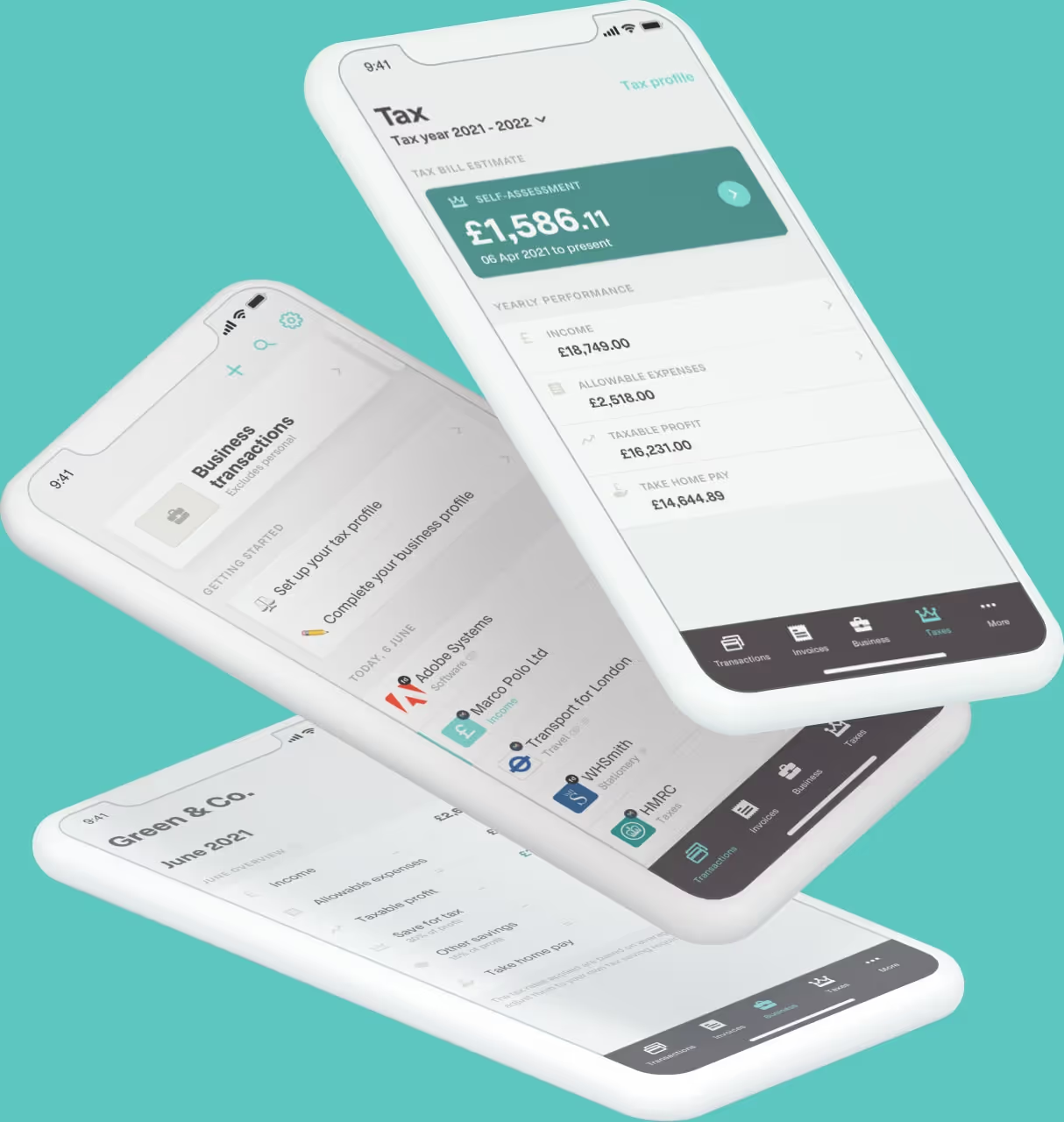
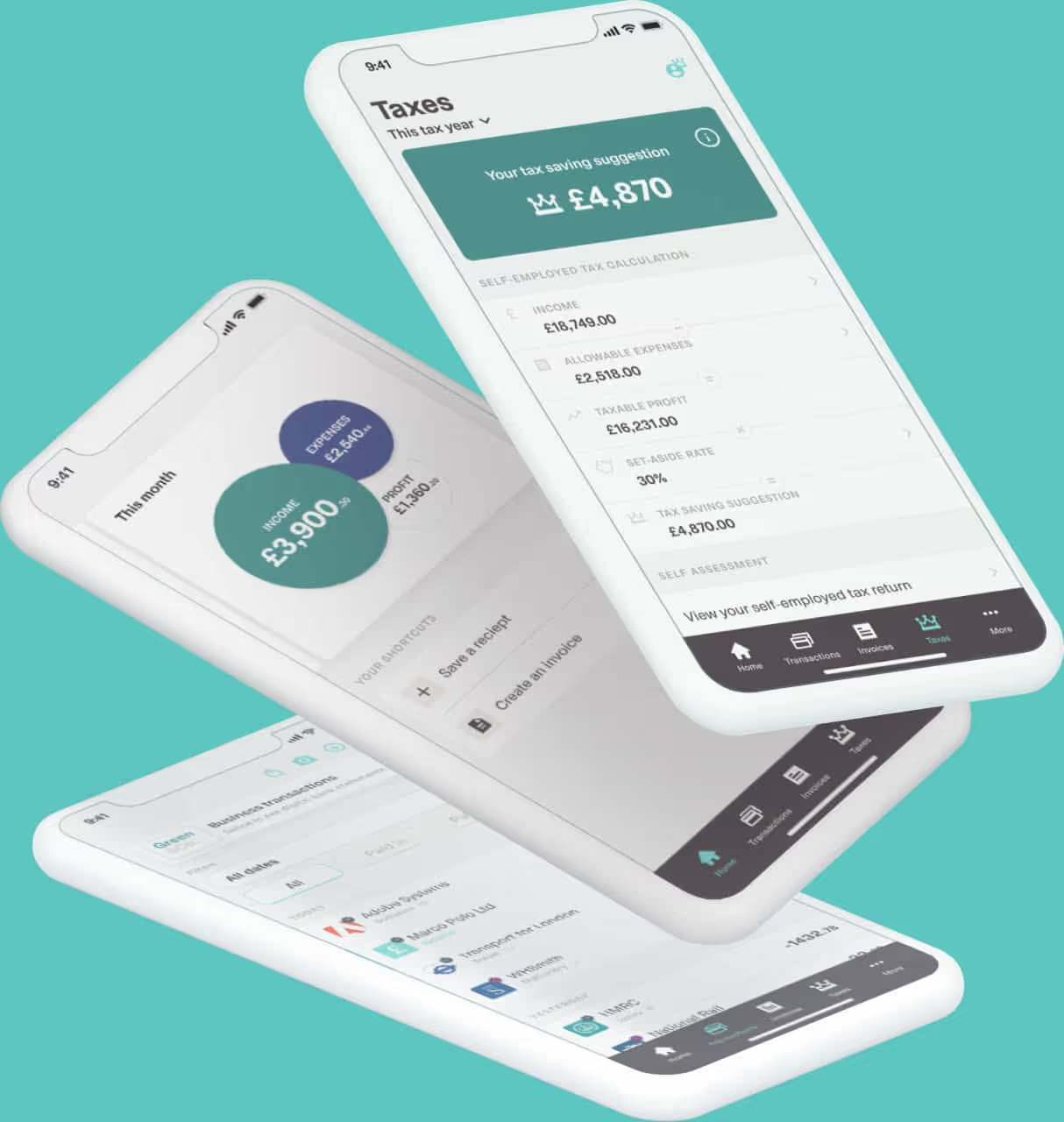
With MTD for Income Tax live from April 2026 and further threshold reductions scheduled for 2027 and 2028, millions of sole traders and landlords will be affected. Understanding the MTD timeline today gives you more time to prepare, and means you can choose the right software and build good habits when it comes to digital recordkeeping. Coconut helps landlords and sole traders stay organised with digital record keeping, built-in tax estimates and MTD-ready features designed to make compliance simpler.
Whether you're preparing for MTD now or your start date is still a little way off, signing up today means you'll be ready when the time comes.
Get started with Coconut and take the stress out of Making Tax Digital.