




Making Tax Digital for Income Tax has changed more than just how often and the way in which some taxpayers report to HMRC. It’s also changed how records must be kept, stored and transferred. It’s no surprise that one question keeps coming up: can I still use spreadsheets?
The short answer is yes but there’s an important condition. Now, your records must remain digitally connected and any movement of data between systems must comply with HMRC’s digital recordkeeping requirements. Keep reading to find out more.
What are MTD digital links?
Making Tax Digital for Income Tax requires all eligible taxpayers to keep digital records, and therefore a digital link. When any information is imported from a spreadsheet into MTD-compatible software, this is classed as a digital link.
In other words, a digital link is an electronic transfer of data between software applications without manual entry. The information flows electronically from one system to another. Manually copying figures and typing them in doesn’t create a digital link.
This means that you can’t maintain bookkeeping in a spreadsheet and then manually re-enter the information into your MTD software every quarter. Instead, the connection between your records and the submission must stay digital.
Are spreadsheets still allowed under MTD?
Yes, despite some misconceptions, HMRC hasn’t banned spreadsheets. But the spreadsheet must now form part of a compliant digital recordkeeping system. For example:
- You record income and expenses in a spreadsheet
- The spreadsheet is linked digitally to compatible software like Coconut
- This software sends quarterly updates directly to HMRC
- Your year-end information is finalised through the same software
MTD spreadsheets aren’t the issue. Whether data remains digitally connected from record creation to submission is the biggest concern.
What is bridging software?
Instead of forcing businesses to abandon spreadsheets immediately, HMRC has introduced bridging software which connects your spreadsheets to their system - and therefore preserves the digital link.
However, many are choosing dedicated MTD software instead because it reduces manual work, automatically categorises transactions and keeps records in one place. This can do wonders for simpler quarterly updates and year-end reporting.
What records do I need for MTD?
One of the most common questions about Making Tax Digital is: what records do I actually need to keep? HMRC requires digital records of income and expenses using compatible software. This includes:
- Business income - sales, revenue, transaction dates, amounts received and customer information
- Business expenses - purchases, running costs, office expenses, travel costs, professional fees and other allowable expenses
- Property income - Landlords must also record rental income, property-related expenses, repairs and maintenance costs, letting agent fees and mortgage interest information
How quarterly updates fit into recordkeeping
Under MTD for Income Tax, eligible taxpayers must also submit quarterly updates summarising their income and expenses for the period. These are not tax returns and instead just an overview of your ongoing business performance.
The overall quality of your recordkeeping affects how easy these become. After all, those who maintain accurate digital records throughout the year are more likely to find quarterly reporting much easier as they have all the information to hand.
What is the MTD final declaration?
After submitting four quarterly reports, you need to complete an end-of-year submission that finalises your tax position. Think of quarterly updates as ongoing summaries and the final submission as the stage where everything is reviewed and finalised.
Common digital link mistakes
When preparing for MTD, there are several common errors to avoid:
- Re-keying data: Entering figures manually breaks the digital journey and creates compliance risks.
- Copy and paste workflows: Again, digital links will not be maintained.
- Using multiple systems without integration: If all systems aren’t connected digitally, compliance challenges can arise.
- Leaving it until the last minute: Creating digital records retrospectively is often more difficult than maintaining compliant records throughout the year.
How MTD software simplifies compliance
There’s a reason many sole traders and landlords are choosing to invest in dedicated MTD software - it simplifies recordkeeping.
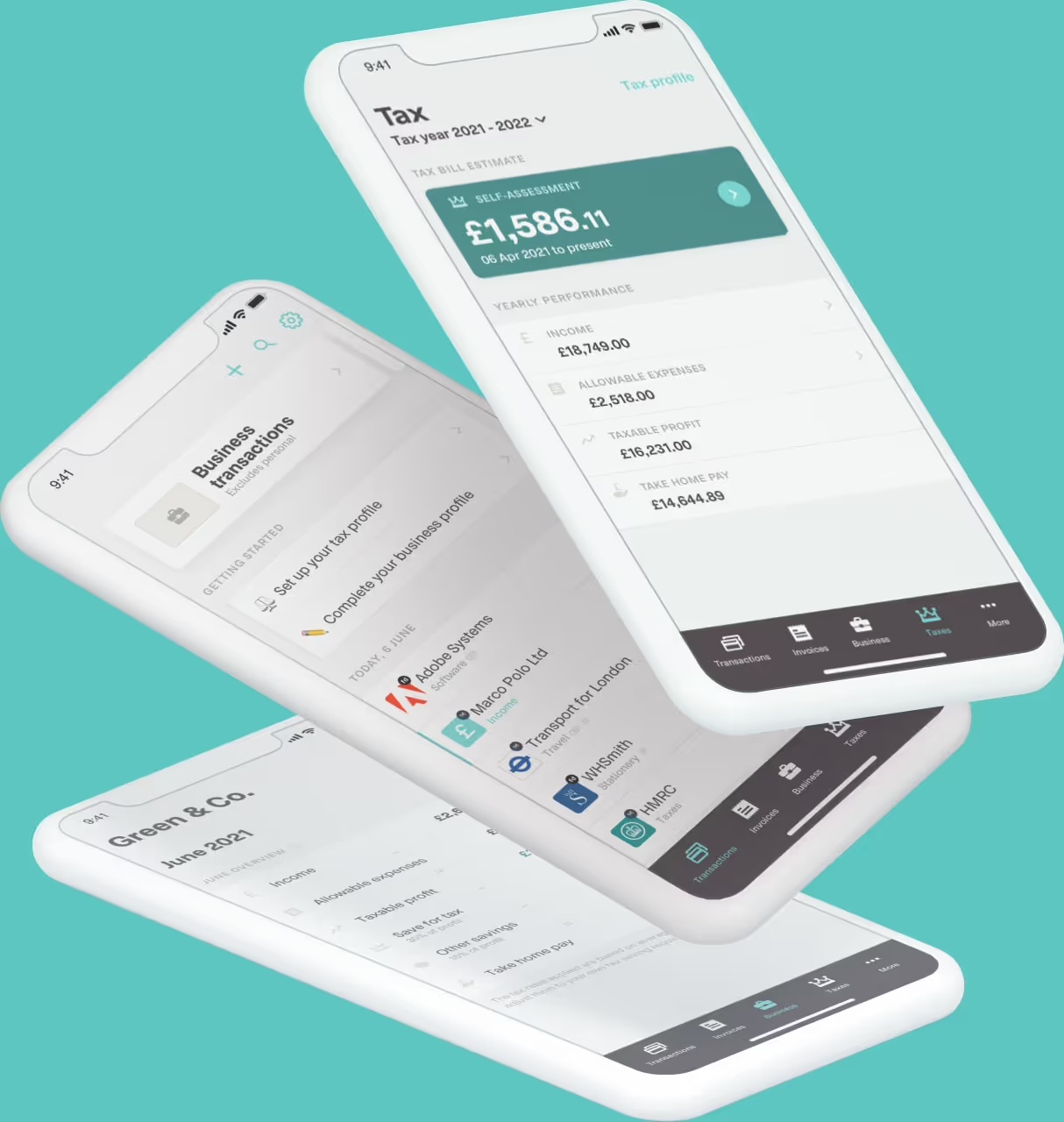
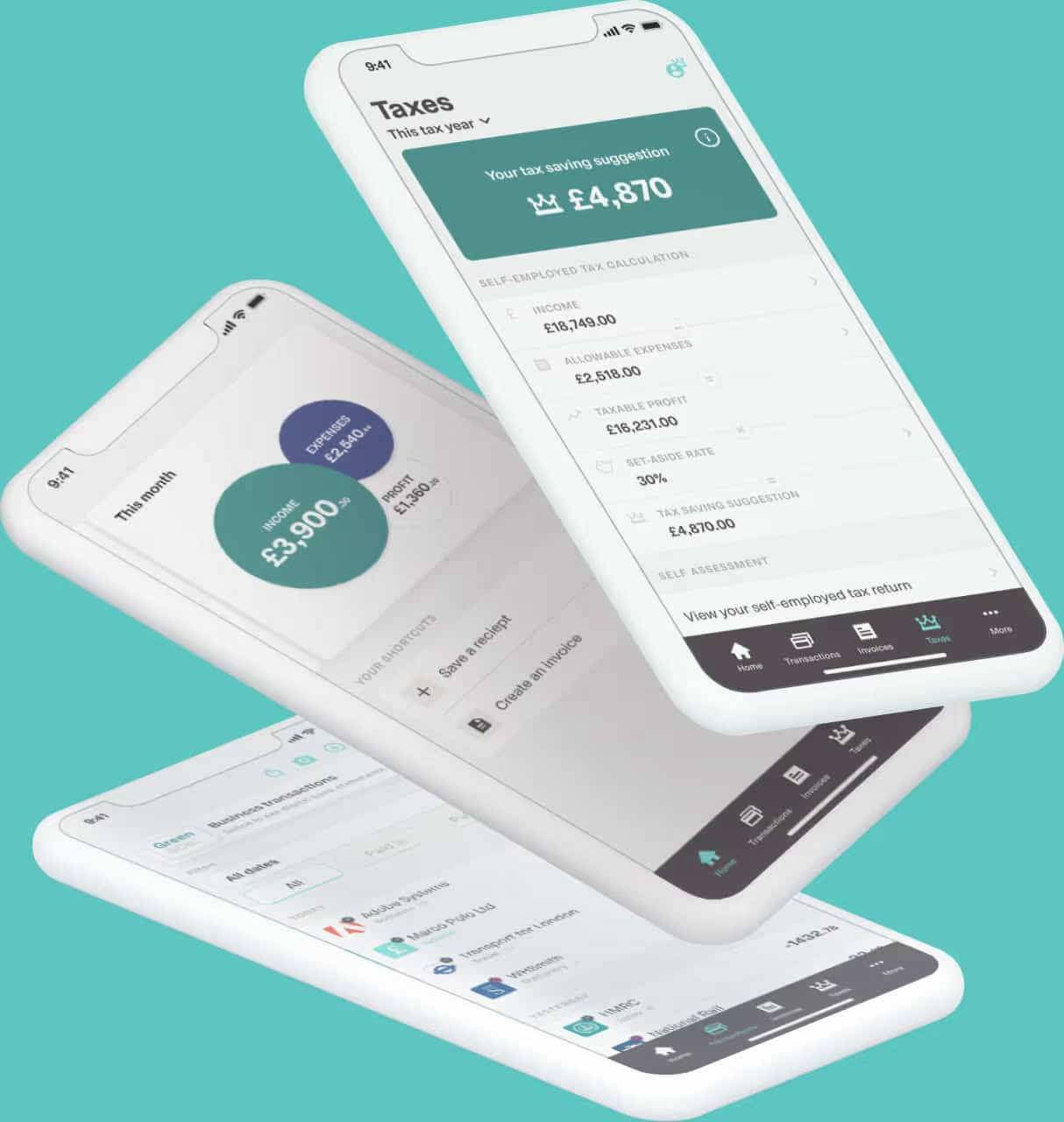
Software like Coconut can help you:
- Create and store digital records
- Track income and expenses automatically
- Maintain digital links
- Submit quarterly updates to HMRC
- Complete your final statement
- Reduce manual administration
But for many the biggest benefit is greater confidence that their records remain compliant as HMRC’s requirements continue to evolve.
Final thoughts
MTD isn’t about filing more frequently. It’s about simpler tax reporting and maintaining a complete digital recordkeeping process from the start. Spreadsheets are still allowed but they must be part of a digitally connected workflow.
Whether you use spreadsheets with bridging software or adopt dedicated MTD software, one thing’s for sure: the earlier you establish compliant recordkeeping processes, the easier quarterly updates and final statements become. Start your free 14-day trial of Coconut today.