





Making Tax Digital (MTD) for Income Tax is now in effect for many sole traders, with the first group of people required to comply from April 2026.
This means if your annual self-employment or property income is over £50,000, you’re already within scope and must follow the new digital reporting rules.
That’s not to say everyone else can relax. MTD is set to be rolled out in phases based on income thresholds. The key is knowing exactly when the rules apply to you as well as what you can be doing now to prepare.
What is MTD for sole traders?
MTD replaces the single and traditional annual Self Assessment tax return with a more regular and digital process. Under it, sole traders will need to keep digital records of income and expenses, send quarterly updates to HMRC and submit a final statement.
While it might seem like a lot of work, it’s designed to make tax reporting more accurate and reduce errors. But it also means changing how you organise your finances.
When does MTD start?
MTD for sole traders is being introduced in phases based on your annual self-employment income which means gross, not profit.
From April 2026, it applies to sole traders with income over £50,000. From April 2027, it applies to those earning over £30,000 and a future rollout is to include those earning over £20,000.
If your income crosses the threshold, you’ll need to comply from the following tax year.
What income is counted?
The threshold is based on your gross income, not your profit. This means it’s the total amount you earn before expenses are deducted. This includes sales or turnover from your business and any additional business income streams. Your salaried employment income, dividends and savings interest are not included.
If you have both self-employment and property income, HMRC will combine them to determine whether you meet the threshold.
How the threshold works in practice
Take a sole trader who invoices £55,000 a year. Their business expenses total £25,000, leaving them with a profit of £30,000. For MTD purposes, their qualifying income is still £55,000 because HMRC uses gross income before expenses are deducted when assessing whether someone meets the threshold. This sole trader is now within the £50,000 threshold and required to comply with MTD from April 2026.
What happens if you go over the threshold?
If your income exceeds the threshold in a tax year, you’ll have to follow the MTD rules from the next tax year. This means you have time to prepare but you shouldn’t leave it too late.
What counts as digital records?
Under MTD, sole traders are required to keep digital records. This means keeping your income and expense information in a digital format that can be stored and submitted to HMRC. This includes using MTD-compatible accounting software (like Coconut), or spreadsheets and bridging software that allows you to submit updates digitally.
How to get ready for MTD
Even if you’re below the threshold now, getting prepared can save you a lot of stress later. Start by switching to digital record-keeping if you’re still using paper or spreadsheets. Use MTD-compatible software to track income and expenses. And, most importantly, stay consistent with organised bookkeeping throughout the year.
Common mistakes sole traders make with MTD
Another way to prepare for the changes is to be wary of the common pitfalls. This includes:
- Confusing profit with qualifying income. Remember, MTD thresholds are based on gross income, not profit. Your expenses don’t reduce the figure used to determine whether you must comply.
- Only tracking one income stream. If you have self-employment and property income, HMRC combines them when assessing whether you meet the threshold.
- Relying on spreadsheets alone. Spreadsheets can be used with bridging software but not on their own.
- Leaving preparation too late. Even if you don’t meet the threshold yet, you may do in the future. Plus, moving to digital record-keeping now will make it easier when you are required to comply.
How Coconut can help
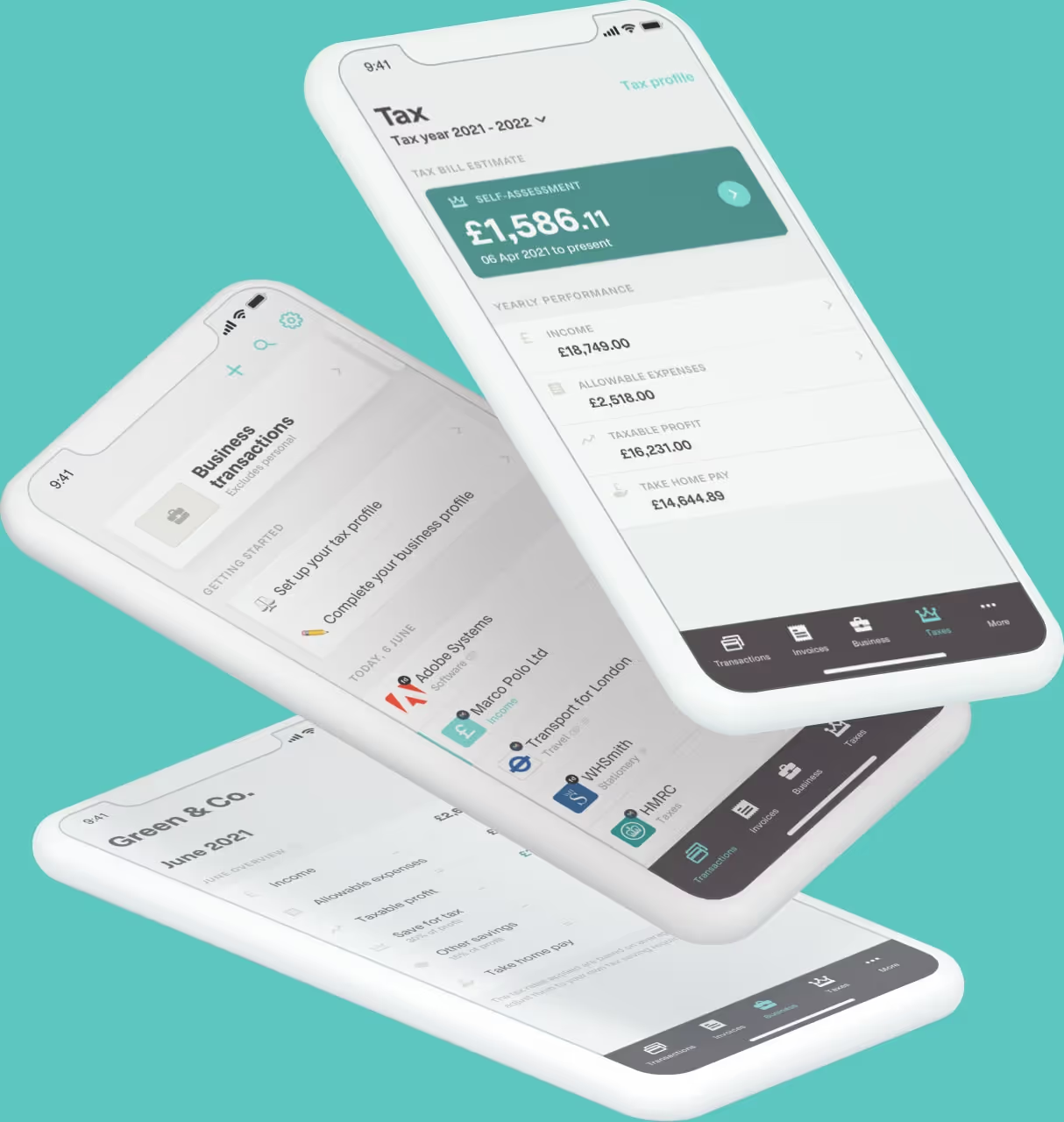
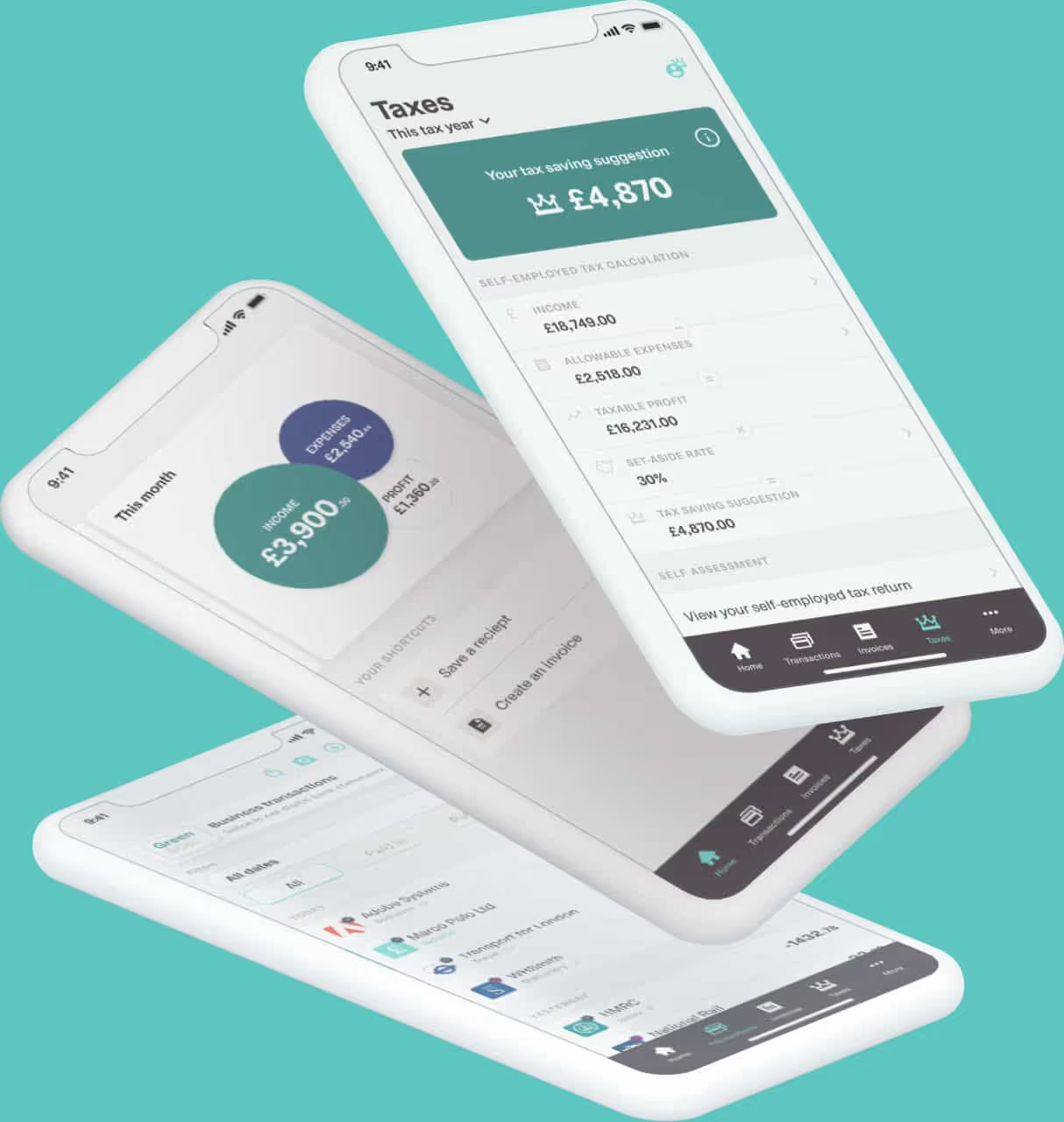
Coconut is built with sole traders in mind. It automatically tracks your income, categorises expenses and keeps everything organised in one place so you’re always ready for tax time. And, when MTD becomes mandatory for you, you’ll already have the systems in place to stay compliant without the hassle.
MTD might feel like a big shift, but the key is understanding your timeline. Once you know when it applies to you, you can take simple steps to stay ahead.
Sign up to Coconut today.