






For freelancers in the UK, the way you manage and file your taxes has changed. As of April 2026, under HMRC’s Making Tax Digital for Income Tax Self Assessment rules, traditional annual paper filing and single yearly online Self Assessment tax returns are being replaced with digital record-keeping and quarterly updates.
But staying compliant doesn’t have to mean endless administrative stress. Thankfully, there’s tools like Coconut that are designed for sole traders and self-employed workers and make the transition to these new digital rules effortless.
Interested? Keep reading for more information on what MTD for Income Tax actually entails, who it affects and how you can adapt your freelance workflow.
What is Making Tax Digital for Income Tax?
Making Tax Digital is HMRC’s initiative to modernise the UK tax system, reduce human errors and make tax administration more real-time. Under the rules, sole traders and landlords are required to:
- Keep digital records of all business income and eligible expenses
- Send quarterly updates summarising income and expenses to HMRC using compatible software
- Submit an end of year statement and final declaration
Who is affected and when?
Whether or not you have to comply with MTD depends on your qualifying income. This is your total revenue before expenses from self-employment and property. In April 2026, MTD applied to those earning over £50,000. In April 2027, this expands to those earning over £30,000 and in April 2028 the threshold will drop to £20,000.
However, if your qualifying earnings fall below these amounts, you can still sign up voluntarily.
How freelancers can comply in four simple steps
Choose HMRC-recognised software
You must use software that connects directly with HMRC’s system via an API. Thankfully, Coconut’s specialist tool is listed on the official HMRC-recognised list of providers so you know that your financial records will meet all requirements when you sign up.
Digitise your daily record-keeping
Paper receipts and manual spreadsheets are no longer good enough under MTD. Now, you need to record each income and expense digitally. Connecting your business account through Open Banking automatically syncs transactions while receipt-snapping tools allow you to upload physical proof of expenses in seconds.
Submit your quarterly updates
Instead of one big deadline on 31st January, MTD requires quarterly updates due in August, November, February and May. Using MTD compliant software means you can submit your summaries in just a few clicks.
Finalise year-end summaries
As well as quarterly reports, you also need to complete a year-end report by 31st January to confirm any tax adjustments, claim allowances and to finalise your tax due.
Streamline your freelance taxes with Coconut
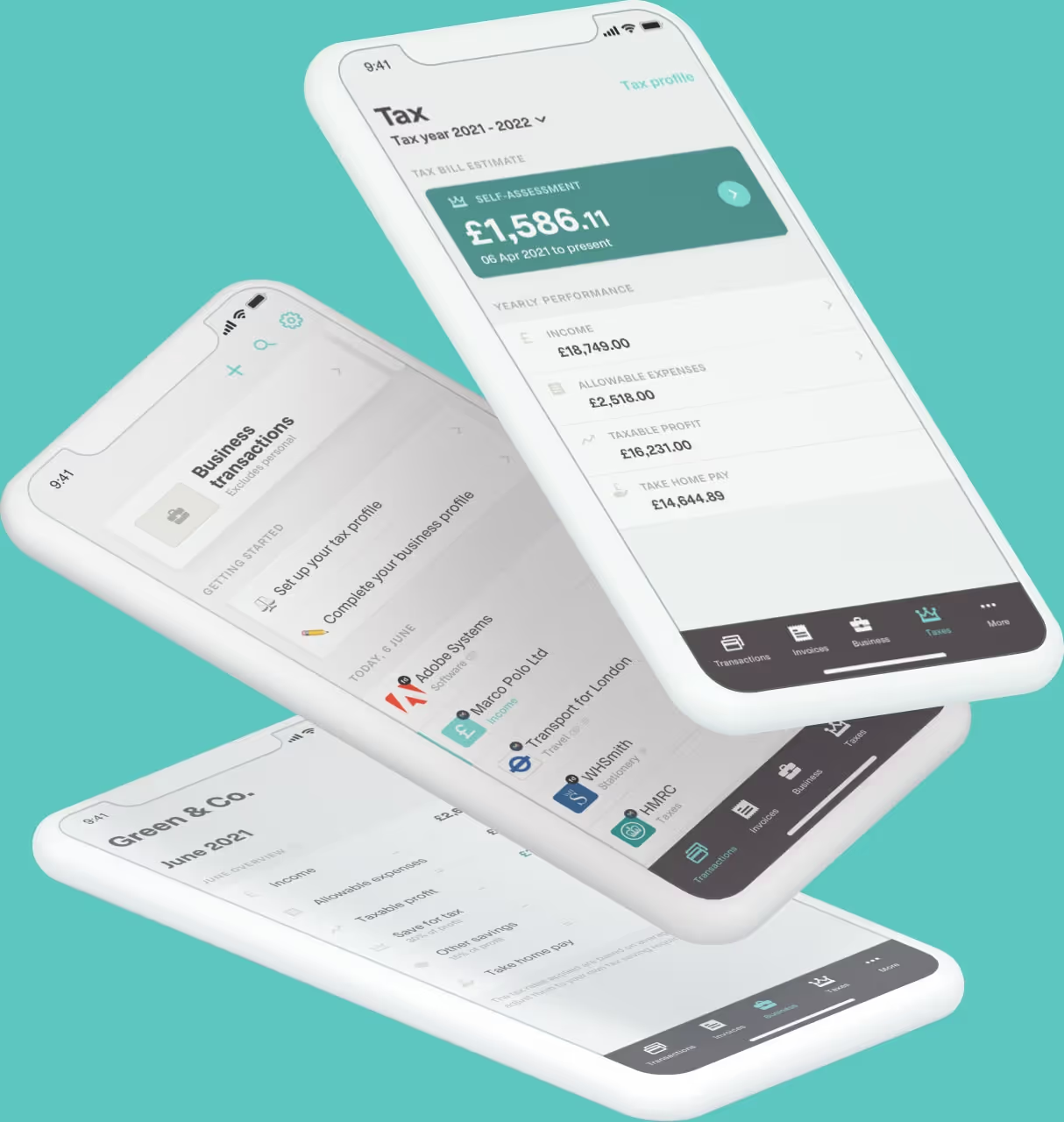
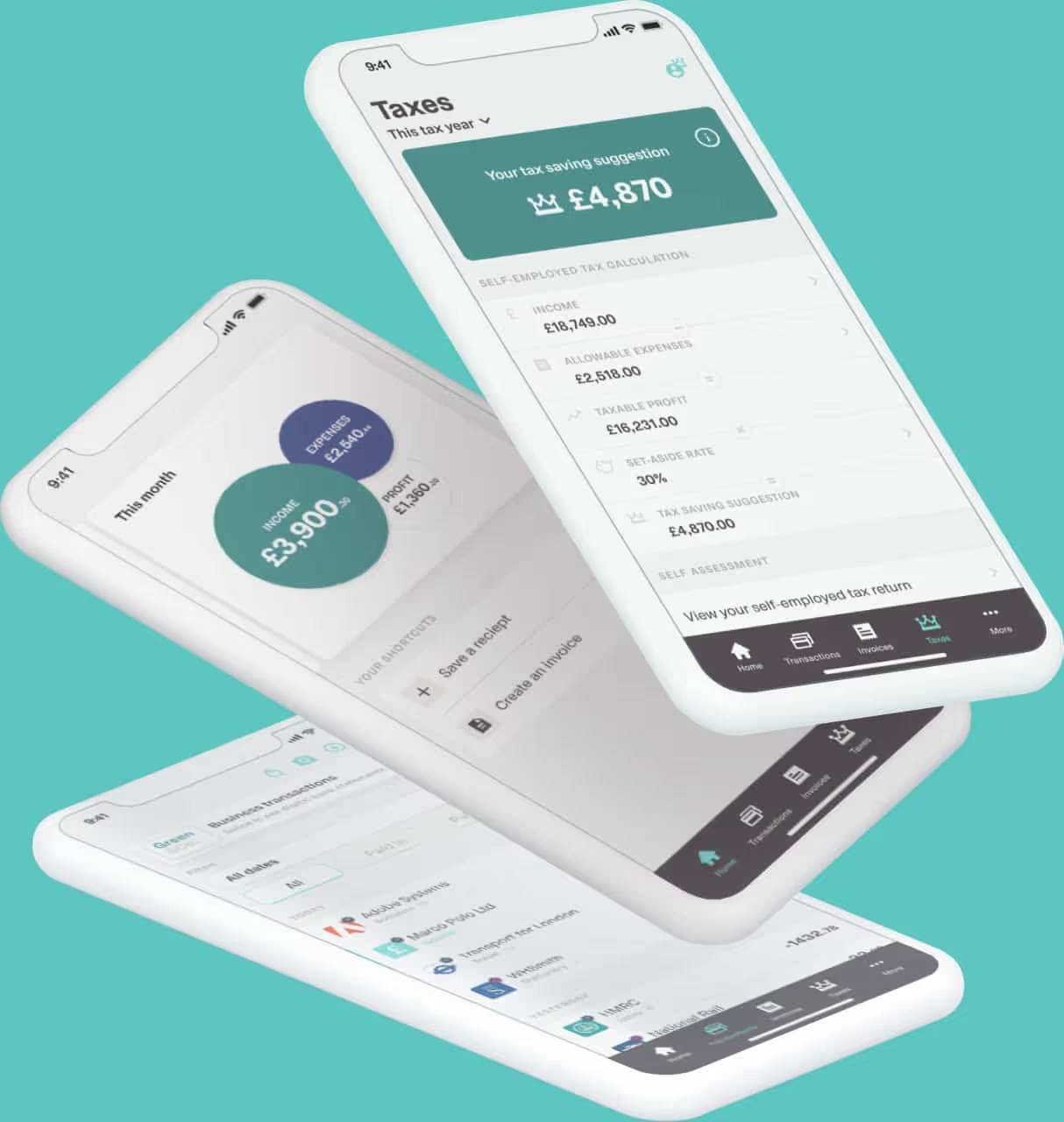
Staying compliant doesn’t mean extra hours of work. Coconut is an HMRC-recognised solution specifically for freelancers, sole traders and landlords. Not just that but with features such as real-time tax estimates, automated transaction categorisation and direct quarterly filing, Coconut takes the stress out of tax management.
You can even access the platform for free through partner integrations with Zempler - which gives you full free MTD compliance for 24 months!
Ready to master Making Tax Digital without the headache? Coconut automates your bookkeeping, handles multiple income streams, and files your quarterly updates directly to HMRC.