




If you’re self-employed in the UK and earn over £50,000, the way you report your income to HMRC underwent one of the biggest overhauls in decades, earlier this year. And now, those earning over £30,000 will soon be affected too - thanks to Making Tax Digital for Income Tax Self Assessment.
But what exactly is it and what does it mean for you and your responsibilities? This guide reveals everything you need to know and highlights how HMRC-recognised tools like Coconut can make it that bit easier for you.
What is Making Tax Digital?
For years, self-employed workers faced the annual tax ritual of scrambling around to find physical receipts while submitting a single Self Assessment return. But, back in April 2026, the government introduced Making Tax Digital for Income Tax Self Assessment - which fundamentally changes how sole traders track, store and submit their financial data.
In short, the paper and spreadsheet approach to taxes is being phased out in favour of digital record-keeping and regular online updates. It’s designed to modernise the tax system, reduce human error and give taxpayers a clearer picture of their tax situation.
So, what do I have to do?
Understanding MTD changes is essential to ensuring your business stays compliant and avoids financial penalties. Instead of filing one annual tax return after the end of the tax year, MTD requires you to:
- Keep digital records of all business income and expenses.
- Use HMRC-recnogised and MTD-compatible accounting software.
- Send quarterly updates to HMRC.
- Submit a final report at the end of the tax year to finalise tax owed.
Who does MTD apply to and when?
MTD for Income Tax is being rolled out in phases based on your gross income, not your net profit.
- April 2026: Self-employed individuals and landlords with qualifying income of over £50,000 had to comply.
- April 2027: The threshold drops to £30,000+.
- Future phasing: The threshold will then be dropped to £20,000.
If your qualifying income is under the threshold, you can either continue to use the traditional Self Assessment system or sign up to MTD voluntarily.
What changes for your day-to-day bookkeeping?
The biggest change is that you’ll need to move away from manual paper tracking or basic unlinked spreadsheets.
Digital record-keeping
You must now keep a digital log of every business transaction, including invoice dates, values, categories and payment status. Paper receipts need to be scanned or digitised using software.
Quarterly updates
Under MTD, the tax year is divided into four periods.
- 6th April to 5th July (Deadline: 7th August)
- 6th July to 5th October (Deadline: 7th November)
- 6th October to 5th January (Deadline: 7th February)
- 6th January to 5th April (Deadline: 7th May)
Each quarter, you must provide a summary snapshot of your revenue and spending. But don’t worry, it’s not a complete tax declaration.
End-of-year final declaration
You still need to complete an end-of-year tax return to confirm your totals, declare additional income, apply tax reliefs and lock in your tax bill.
How Coconut helps self-employed business owners prepare for MTD
Navigating any new rules can feel daunting but using software built specifically for sole traders makes the transition effortless. That’s where Coconut comes in. Coconut combines bookkeeping, receipt capture and automated tax estimates into a user-friendly platform designed for freelancers and sole traders.
- Automated categorisation: Connect your bank accounts to Coconut, and your income and business expenses will be categorised automatically, keeping your digital records compliant without manual entry.
- Instant receipt capture: Snap photos of paper receipts on the go. Coconut securely attaches them to the matching transaction in your digital records.
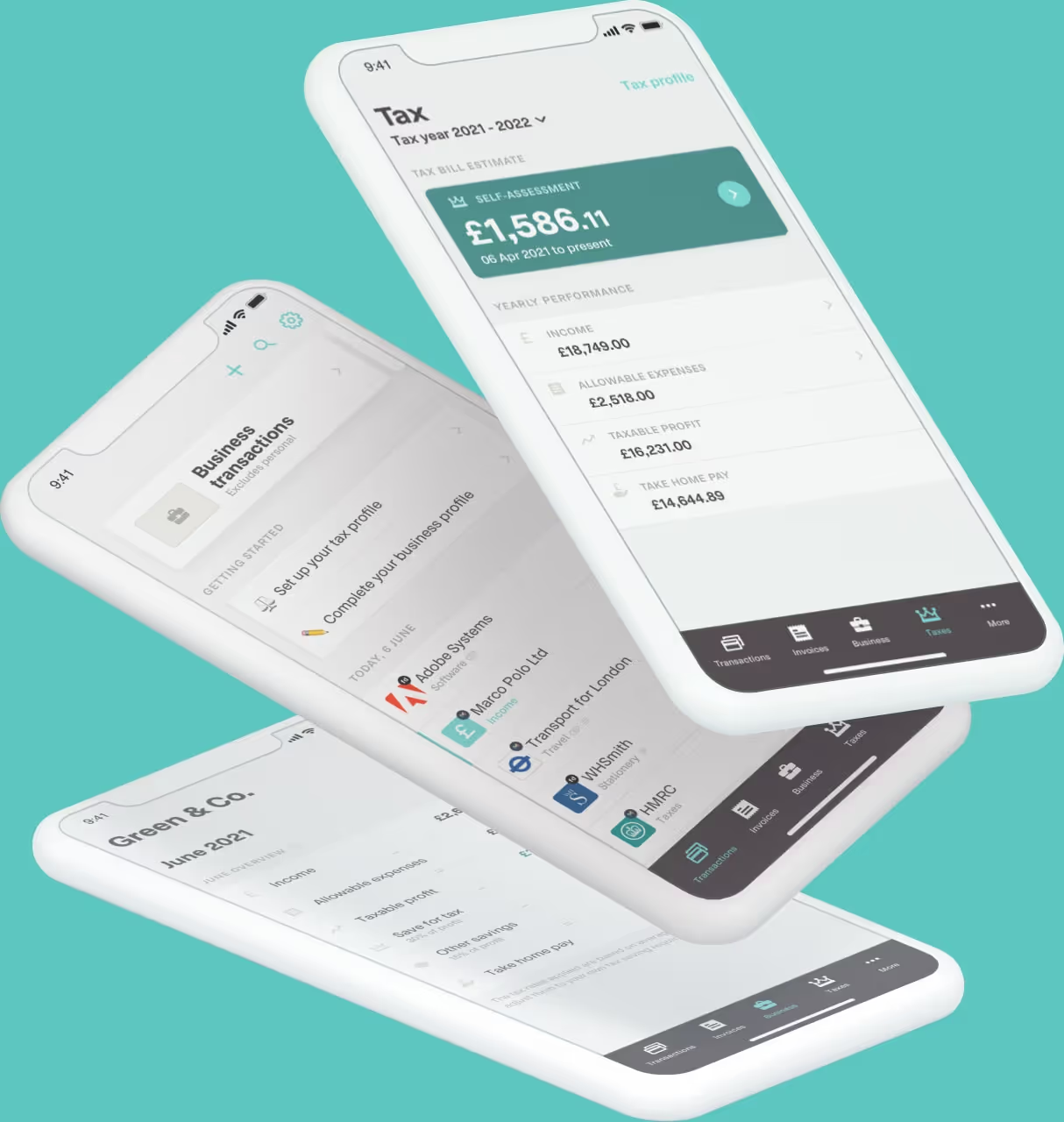
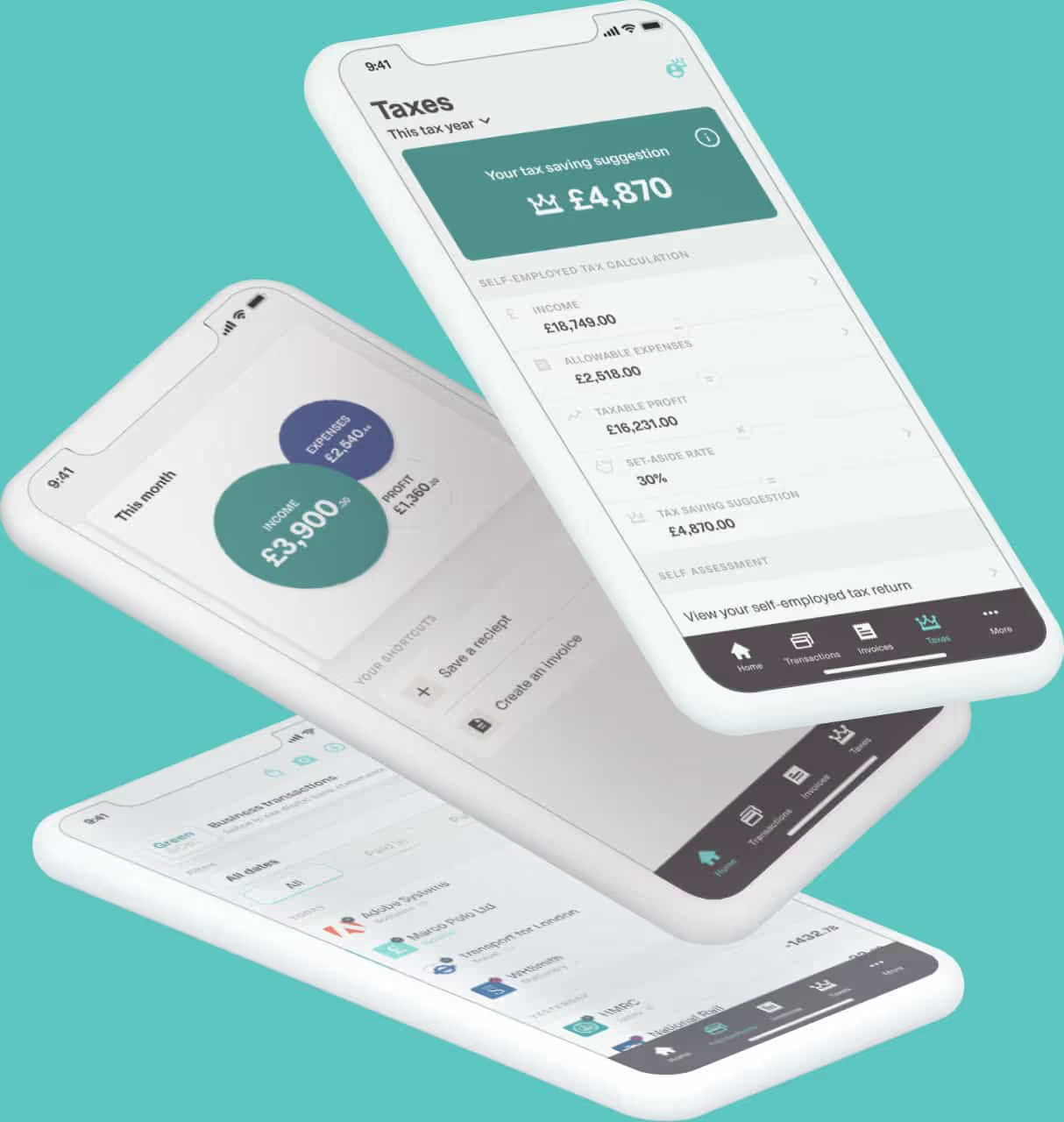
- Real-time tax estimates: Instead of waiting until January to find out what you owe, Coconut tracks your earnings giving you a live estimate of your tax bill throughout the year.
- Seamless MTD submissions: Designed to meet HMRC requirements, Coconut enables you or your accountant to prepare and send quarterly MTD updates directly to HMRC with just a few clicks.
The benefits of Making Tax Digital
While the transition might seem like a big change, there are plenty of benefits for self-employed professionals:
- No tax surprises: Quarterly updates mean your software calculates an ongoing estimate of what you owe, helping you budget throughout the year.
- Fewer mistakes: Digital record-keeping reduces simple data-entry errors and lost receipts.
- Better financial oversight: Using real-time digital software gives you a snapshot of your business cash flow and profitability.
Ready to tackle MTD without the headache? Try Coconut today and simplify your sole trader bookkeeping and MTD updates in one easy app.