




You’ve finished a job, got invoices to send, receipts sitting in the van and a merchant account to pay. The last thing you want after a long day is more paperwork. But if you’re a self-employed builder, electrician, plumber, decorator or another tradesperson, Making Tax Digital has changed the way many sole traders manage their tax.
But don’t worry. It doesn’t mean you need to become an accountant or spend your evenings buried in spreadsheets. In fact, getting organised throughout the year could actually save you time and make running your business simpler.
In this guide, we explain Making Tax Digital for Income Tax for tradespeople, covering what you need to do and how digital tools can help you spend less time on admin and more time doing work that actually pays.
The good news is that there are tools designed to make the process easier. For example, Coconut helps sole traders keep digital records and stay organised for Making Tax Digital, while our bridging software lets spreadsheet users submit to HMRC without overhauling your existing set-up.
What is Making Tax Digital?
Making Tax Digital (MTD) is HMRC’s programme to modernise the UK tax system by moving away from paper records and annual tax reporting.
Under Making Tax Digital for Income Tax Self Assessment, instead of keeping records however you like and completing one Self Assessment tax return each year, you’ll:
- Keep digital records of your business income and expenses
- Use MTD-compatible software
- Send quarterly updates to HMRC
- Complete a final declaration at the end of the year
While it might seem like extra work, for many tradespeople, it means moving away from paper receipts and notebooks to a digital system that keeps everything organised.
The overall aim is to reduce mistakes, improve recordkeeping and help businesses keep on top of their tax throughout the year.
MTD for sole traders
If you’re a self-employed tradesperson, there’s a good chance MTD will affect you over the next few years. The rules have been introduced gradually. Starting in April 2026, MTD for Income Tax applies to those with a qualifying income of more than £50,000.
From April 2027, this drops to £30,000 and from April 2028 this extends to sole traders with qualifying income of more than £20,000.
It’s based on income, not profit
The qualifying income thresholds are based on your gross business income before expenses, not the amount you actually take home.
Just imagine you’re a builder who invoices £60,000 over the year. You spend £25,000 on timber, cement, tools and fuel. Even though you’re left with a much smaller profit, you’d still fall into the MTD rules because your qualifying income is £60,000.
That’s why it’s worth checking your turnover now.
What changes for tradespeople under MTD?
The good news is that your day-to-day work probably won’t change that much. You still quote for jobs, buy materials, invoice customers, pay suppliers and carry out the work as usual. The biggest difference is how you record that information.
Keeping digital records
Instead of relying on paper receipts or sorting everything at the end of January, you’ll need to keep digital records throughout the year. This includes:
- Customer payments
- Invoices you've sent
- Fuel costs
- Parking and tolls
- Equipment and tool purchases
- Work clothing
- Insurance
- Phone bills used for business
This doesn’t mean you’ll be spending hours entering everything manually. Many modern tools can import transactions automatically, helping you stay organised with very little effort.
Using MTD software for tradespeople
HMRC also requires you to use software that works with their MTD system. This doesn’t mean investing in complicated accounting software designed for large businesses. Many solutions are built with sole traders in mind and focus on everyday tasks like tracking income and recording expenses.
The key is to choose software that’s simple enough to fit around your working day rather than creating extra stress.
Sending quarterly updates
Instead of gathering a year’s worth of paperwork at tax return time, you’ll now need to send updates to HMRC every three months. Think of it like checking in during the year rather than trying to remember everything at the end.
These updates aren’t tax bills either. They’re a way of keeping your records up to date and providing HMRC with a quick overview of where your business is.
Completing a final declaration
You still need to complete an end-of-year summary. After your quarterly updates, you’ll submit a final statement that confirms your income, expenses and any adjustments needed before your tax bill is calculated.
So, while the reporting process might have changed throughout the year, there’s still an annual step to finalise your tax position.
So, where does Coconut come in?
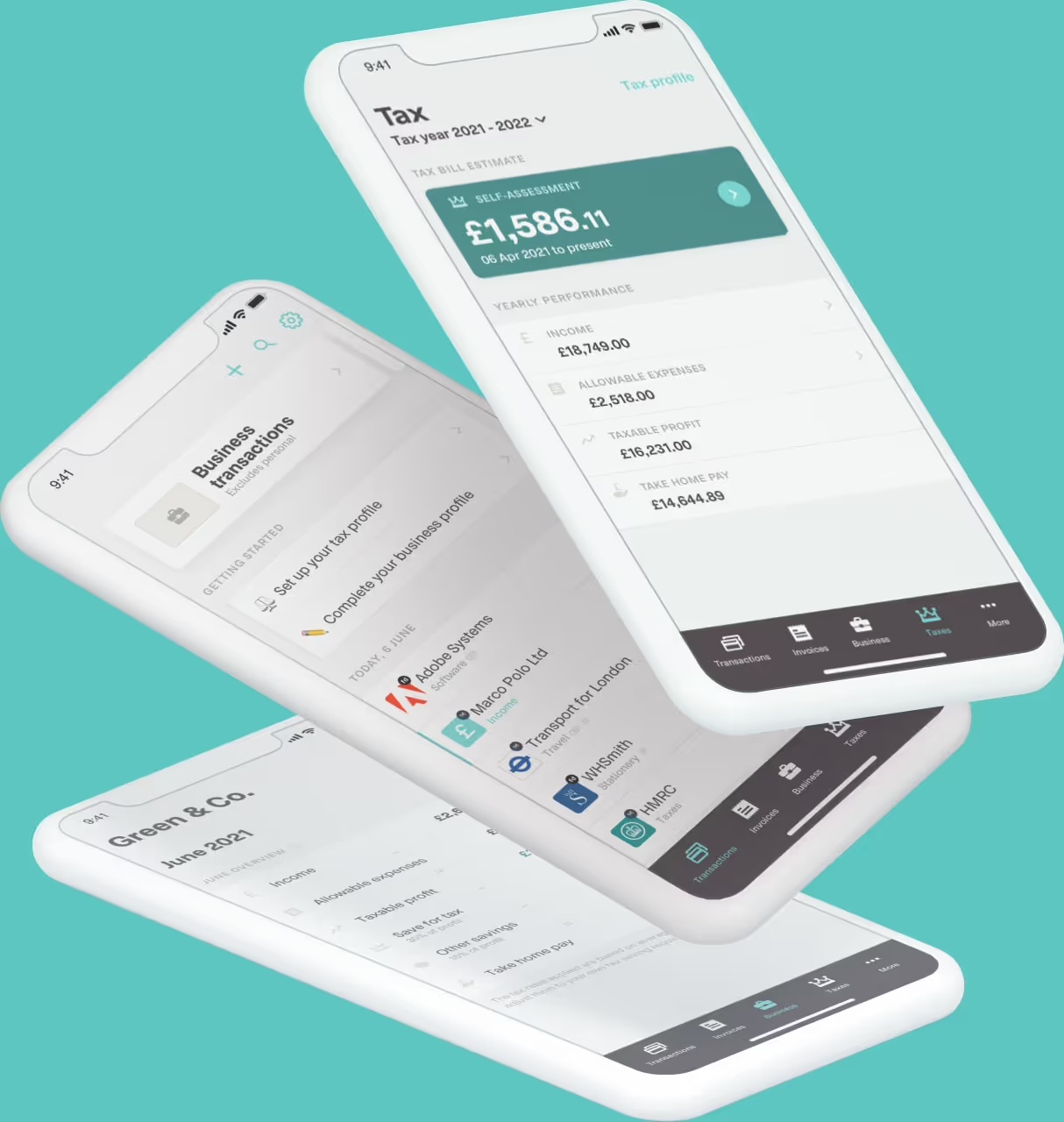
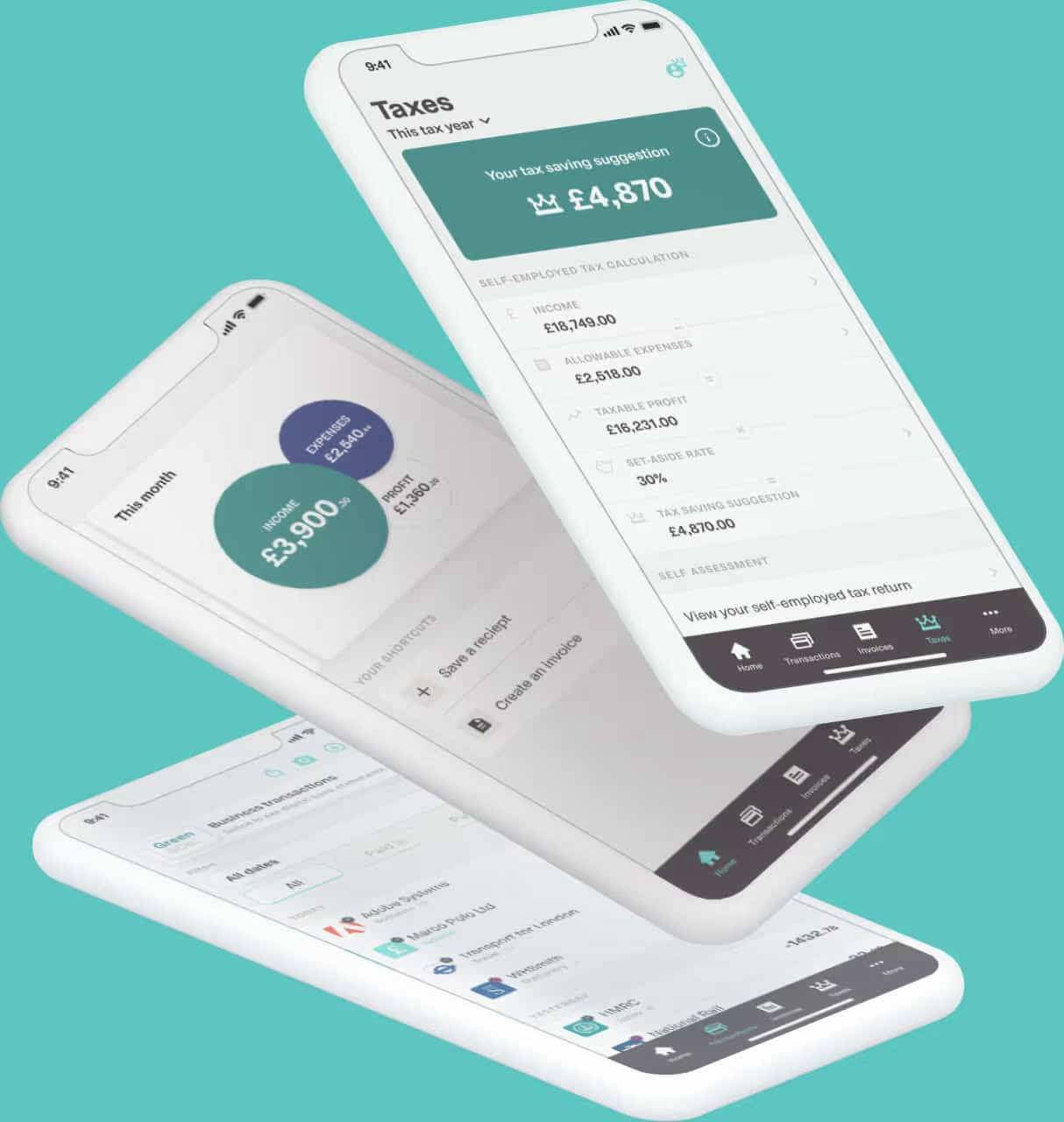
Coconut makes Making Tax Digital much easier by helping you keep all your income and expenses in one place. You can snap receipts, stay on top of your bookkeeping and send the information HMRC needs without the hassle of spreadsheets or piles of paperwork. It's a simple way to stay organised and make tax time a lot less stressful.
How MTD could actually make life easier for tradespeople
You probably didn’t start your business because you enjoy bookkeeping. But many people find that better recordkeeping can help them to save time, reduce stress and understand their business better.
Stop chasing receipts at tax time
Ever emptied your van looking for a fuel receipt? Or searched through kitchen drawers for a merchant invoice? You’ll know how frustrating tax season can be. Recording invoices as you go means everything is already organised and there when you need it.
Get a clearer picture of your profits
If you have the same account for business and personal money, it can be difficult to know the difference. Tracking income and expenses, and categorising them, helps you understand what you’ve really earned after buying materials, paying suppliers and covering running costs.
Keep track of unpaid invoices
It’s easy to forget about outstanding invoices when you’re moving between jobs. But keeping your income organised digitally can make overdue payments much more visible and therefore improve cash flow.
Avoid unexpected tax bills
One of the biggest challenges for sole traders is putting enough money aside for tax. Regular recordkeeping gives you a better understanding of how much tax you may owe meaning you can budget easier throughout the year instead of facing a surprise bill.
Common questions tradespeople have about MTD
Do I need an accountant for Making Tax Digital?
Not necessarily. Many sole traders manage their own bookkeeping using digital software. However, if your finances are complex or you’d simply prefer professional support, an accountant can help.
Can I still use spreadsheets for MTD?
Spreadsheets are still usable but they must be used alongside compatible software that meets HMRC’s requirements. With this in mind, many sole traders find dedicated software easier because it reduces manual work and keeps everything together.
If you already use spreadsheets, Coconut's bridging software lets you submit your tax information straight to HMRC without changing the way you work, making it an easy step towards MTD compliance.
What happens if I don’t keep digital records for sole traders?
If you fall within the MTD threshold, you’ll need to keep digital records and submit information using compatible software. Not doing this and not following other HMRC MTD rules for self-employed professionals could result in penalties so it’s worth preparing if the rules apply to you.
Do cash jobs count towards MTD?
Yes, all business income should be recorded, regardless of whether you’re paid by bank transfer, card or cash. If you complete a job and receive payment, it forms part of your business income.
Can I record expenses from my phone?
Yes, many bookkeeping apps let you photograph receipts, categorise expenses and keep digital records straight from your phone. This is especially useful if you spend most of the day on-site and rarely sit in front of a computer.
How Coconut helps tradespeople prepare for MTD
Running a business already means juggling customers, quotes, suppliers, invoices and deadlines. But with the right tools, you can reduce your admin and not create more of it.
Coconut is designed specifically for sole traders and CIS subcontractors, helping you stay organised while keeping your finances up to date throughout the year. With it, you can:
- Track income and business expenses
- Store receipts digitally instead of keeping paper copies
- Categorise spending as you go
- Estimate how much tax to set aside
- Keep your financial records organised all year round
- Build habits that support the requirements of Making Tax Digital
Put simply, whether you’re buying materials before a job or sending an invoice after finishing a project, having everything recorded in one place with Coconut can save you time and give you greater confidence that your records are accurate. And, rather than waiting until January to sort everything out, you can stay on top of your finances little and often making tax time much less stressful.
Getting ready for Making Tax Digital
Making Tax Digital might sound like more paperwork but for many tradespeople it’s just about changing when you do your bookkeeping rather than doing more of it. So, instead of one big annual catch up, you’ll keep records organised throughout the year.
If you’re likely to fall within the income thresholds over the next few years, now’s a good time to review how you currently manage your finances. Moving away from paper receipts and spreadsheets before the deadline can make the transition much smoother and may even help you understand your business better along the way.
In fact, staying organised now can save time, reduce stress and leave you free to focus on the work that matters the most.